
You stroll into the waiting room, look around, and expect to see only teenagers with metal braces. Instead, you see a 7-year-old coloring a book and a 45-year-old professional studying a spreadsheet. You start to wonder: "Am I too old to get braces?" or "When is my child actually old enough to start treatment?"
The short answer is No, you are never too old. But treatment does not work the same way at every stage of life, and waiting too long can lead to expensive complications or insurance age-out traps.
In this guide, we will break down the biology of orthodontics at different ages, explain the insurance age traps that nobody warns you about, and show you how to select the best treatment depending on where you are in life.
The Age 7 Window: Phase 1 Interceptive Loophole
The American Association of Orthodontists recommends children get their first evaluation around age 7. Many parents think this is too early because the child still has baby teeth. But here is the biological secret:
- Bone Guidance: At age 7, the jaw bones are still soft and growing. If the orthodontist detects a severe underbite or narrow arch, they can use an appliance called a palatal expander to physically widen the jaw.
- Phase 1 vs Phase 2: Correcting the bone structure early (Phase 1) creates space for permanent teeth to erupt naturally. If you wait until age 12 when the bone is fused, correcting a narrow arch requires pulling healthy teeth or complex jaw surgery (Phase 2).
- The Sign to Watch: If your 7-year-old has their first permanent molars in, it is time for a consultation. Most children don't need active braces yet, but the screening is crucial.
Bone Density Constraints in the Adult: Why Adult Tooth Movement Differs
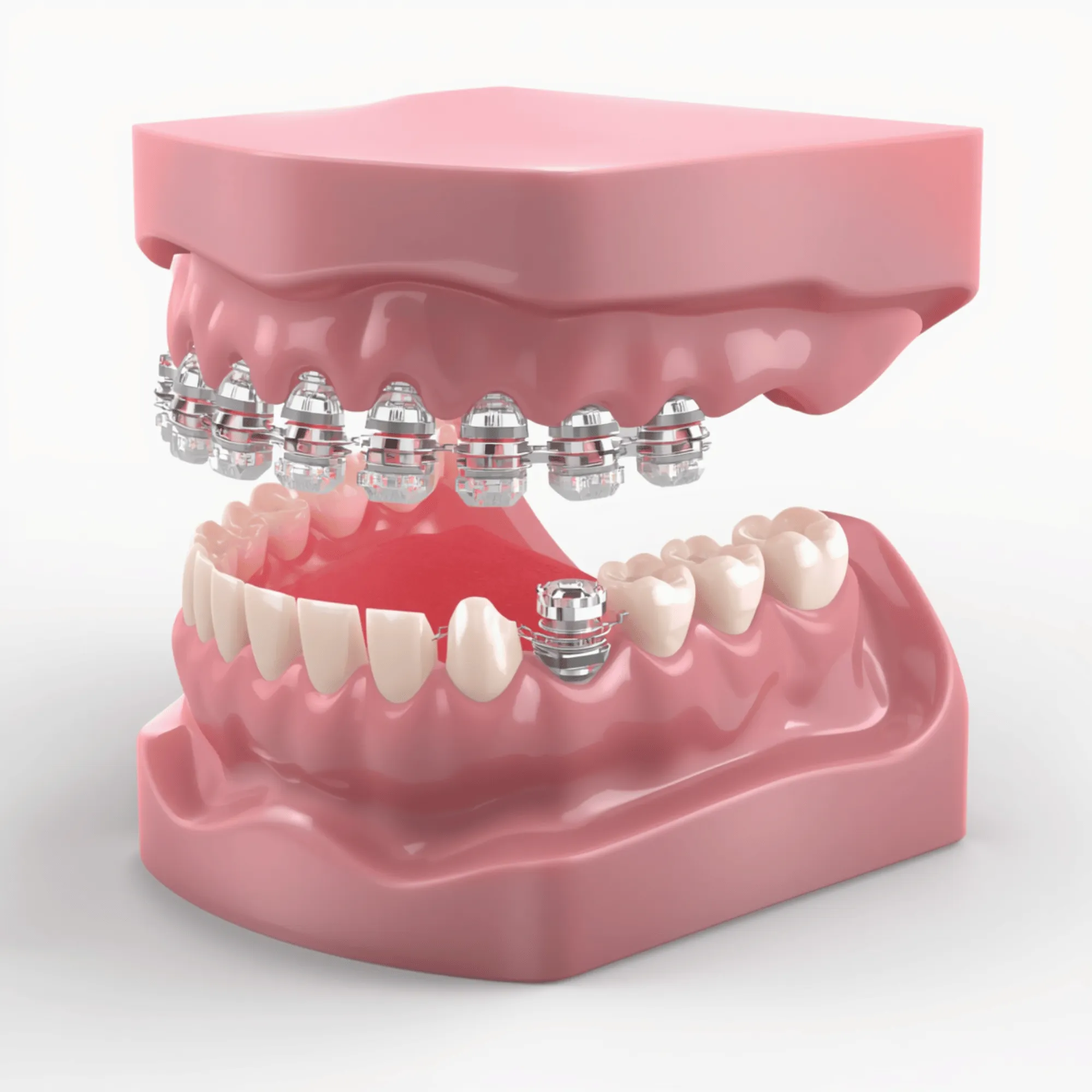
Can you get braces at 30, 40, or 50? Yes, absolutely. Healthy teeth can be moved at any age. But adults face biological barriers to orthodontic care that teenagers do not:
- Fused Jaw Sutures: In children, the midpalatal suture (the line down the middle of the roof of the mouth) is open and malleable. In adults, this bone is completely fused. We cannot expand your jaw structure without surgery.
- Slower Bone Remodeling: Teens have high bone turnover rates, meaning their teeth move quickly and the bone heals behind them fast. Bone remodeling is slower in adults. This means adult treatment often takes 4 to 6 months longer than teen treatment for the same level of crowding.
- Higher Relapse Rate: Because adult bone does not remodel as quickly, adult teeth are highly prone to shifting back (relapsing) after treatment. Adult patients must commit to lifetime retainer wear to preserve their smile.

The "Age-Out" Insurance Trap: HR Jargon You Must Know
If you are counting on your employer’s dental plan to pay for your child’s braces, you need to watch out for the dependent age limit:
- The Age 19 Wall: Most simple dental insurance plans (including Delta Dental and Aetna) restrict orthodontic coverage to dependents under the age of 19.
- Waiting Period Pitfall: If your plan has a 12-month waiting period for orthodontics, and your child is 18 years old when you sign up, they will turn 19 before the waiting period ends. The insurance company will deny the claim because they "aged out" of coverage, even though the treatment plan was approved when they were 18.
- The HR Loophole: Some organizations choose plans that extend dependent coverage to age 23 if the child is a full-time student. Always verify the dependent student orthodontic age cap with your HR department.
Summary Checklist: Getting Started
Check these rules before scheduling your first appointment:
- Is your child at least 7 years old with their first molars erupted?
- If you are an adult, do you have active gum disease? (Gum disease must be fully cured before braces can be applied, or your teeth will loosen).
- Does your insurance plan cover orthodontics for adults (ages 19+)?
Once you decide to start, prepare your kitchen. Read our Braces Diet Guide to know what soft foods to stock up on before day one.