
So, you’ve finally decided to get braces! That is a fantastic decision. It is easily one of the greatest investments you will ever make in yourself. But here is the thing: getting braces isn’t just about getting straight teeth. It’s about a total lifestyle change.This hardware is going to be part of you for at least the next two years, so it’s important to get it right.
In this Master Guide, we are going to compare every major orthodontic option available today and help you navigate the "fun" part of your treatment: choosing your braces colors. Let’s get started!
1. The 4 Main Types of Braces
Before diving into the deep end of the sea, you need to understand the surface first. Let’s break down the four primary types of braces.
🦷 Traditional Metal Braces
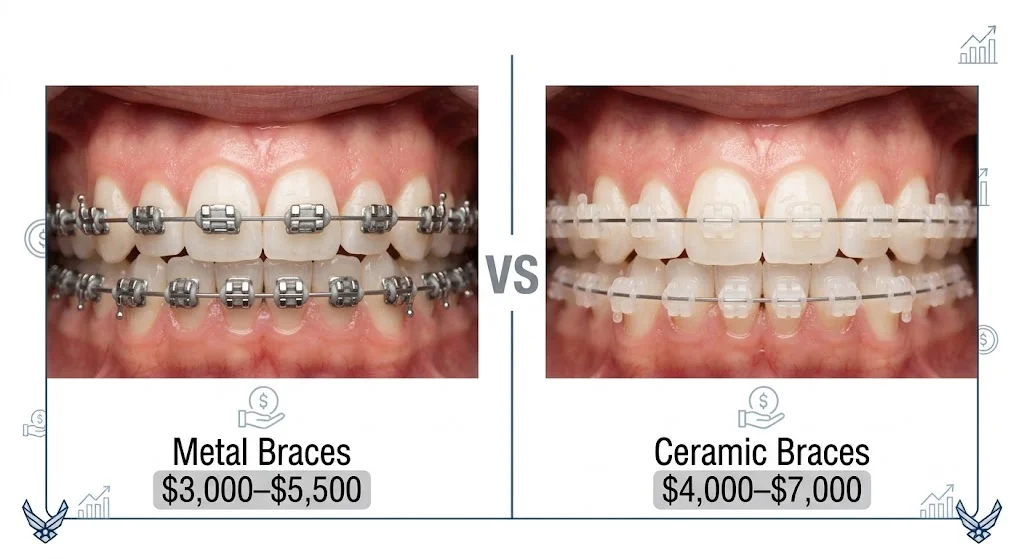
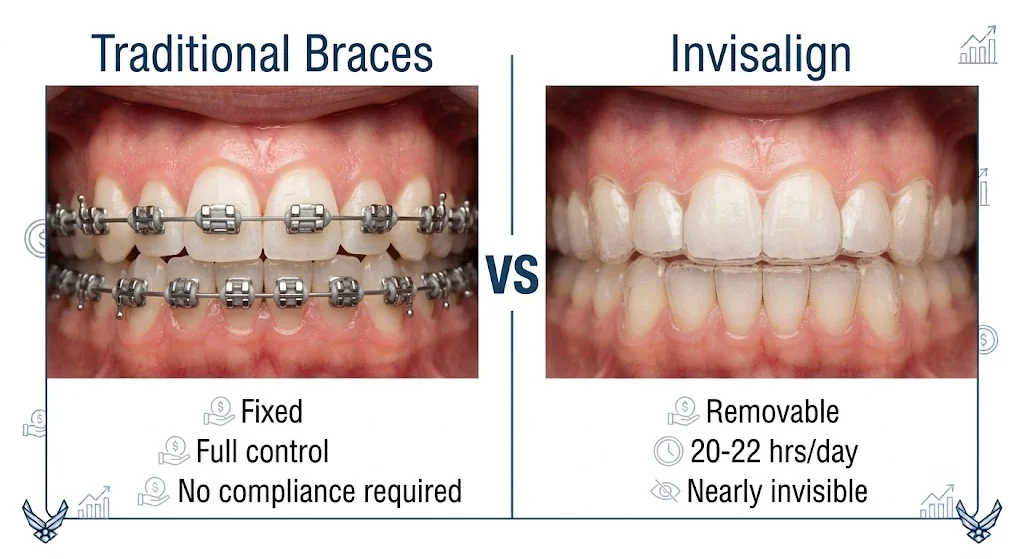
The "OG" of braces. These are the most common, pocket-friendly, and durable options. Made of high-grade stainless steel, these are the go-to selection for most people starting treatment.
💎 Ceramic (Clear) Braces
Think of these as the "identical twin" of metal braces, but with a camouflaged look. They use clear or tooth-colored brackets to blend in with your smile.
✨ Invisalign (Clear Aligners)
A series of custom-made, removable plastic trays that gradually shift your teeth.
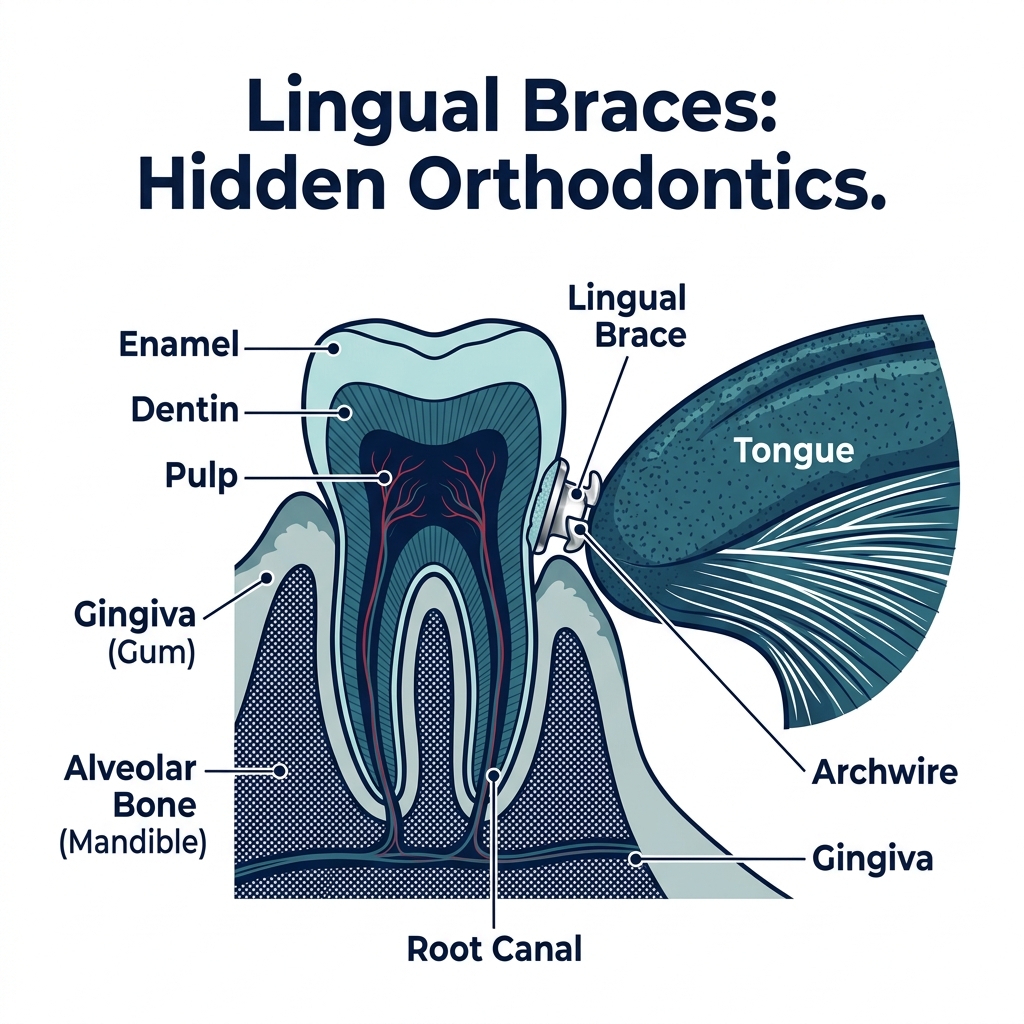
🕵️ Lingual Braces (Incognito)
Braces that are attached to the back of your teeth.
2. Braces Colors: The Ultimate Selection Guide
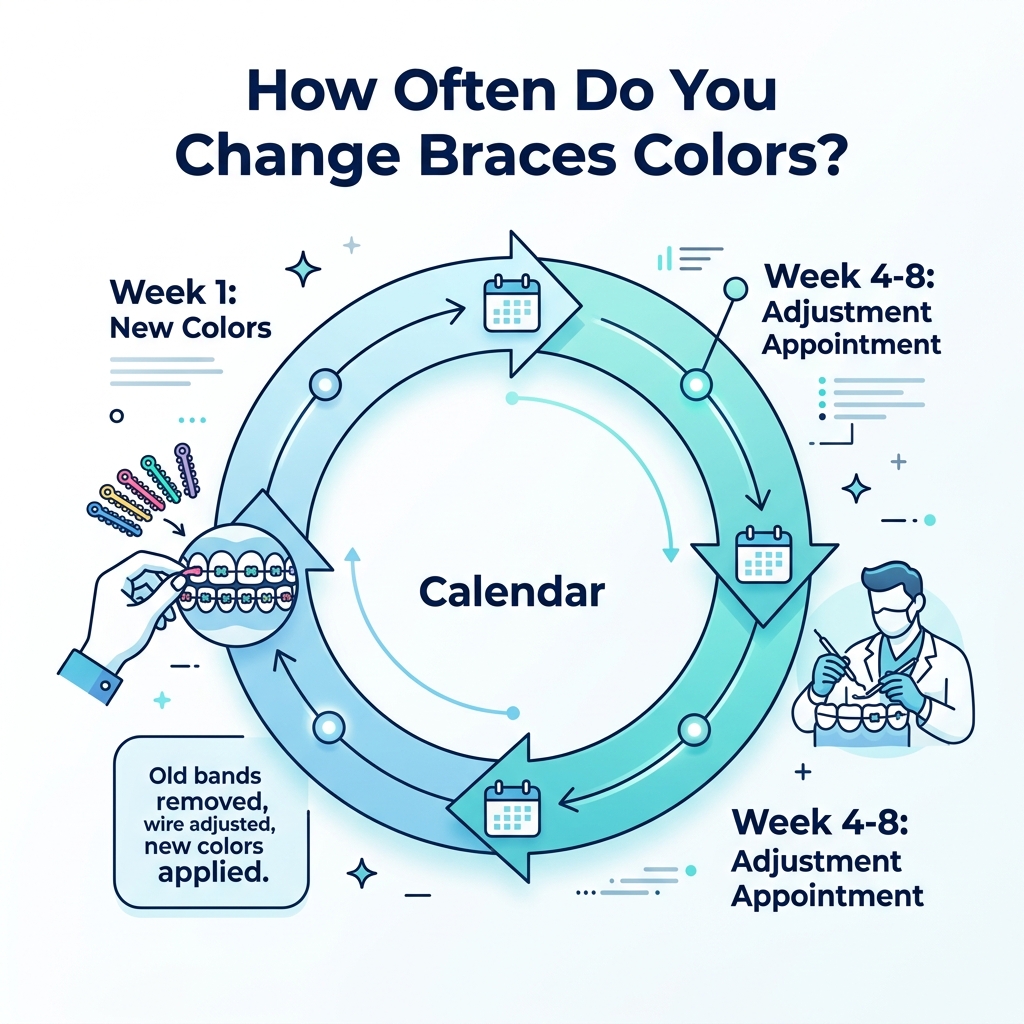
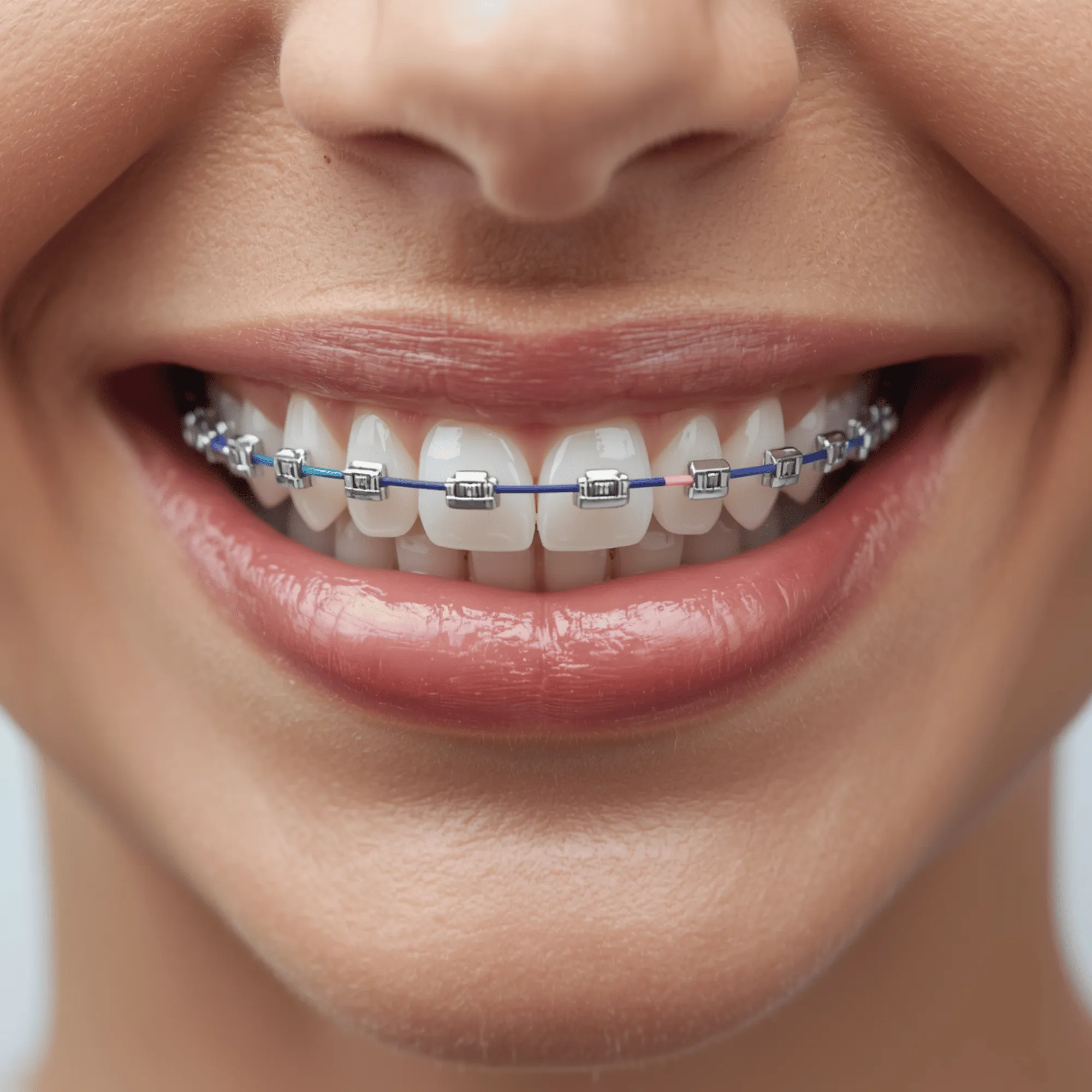
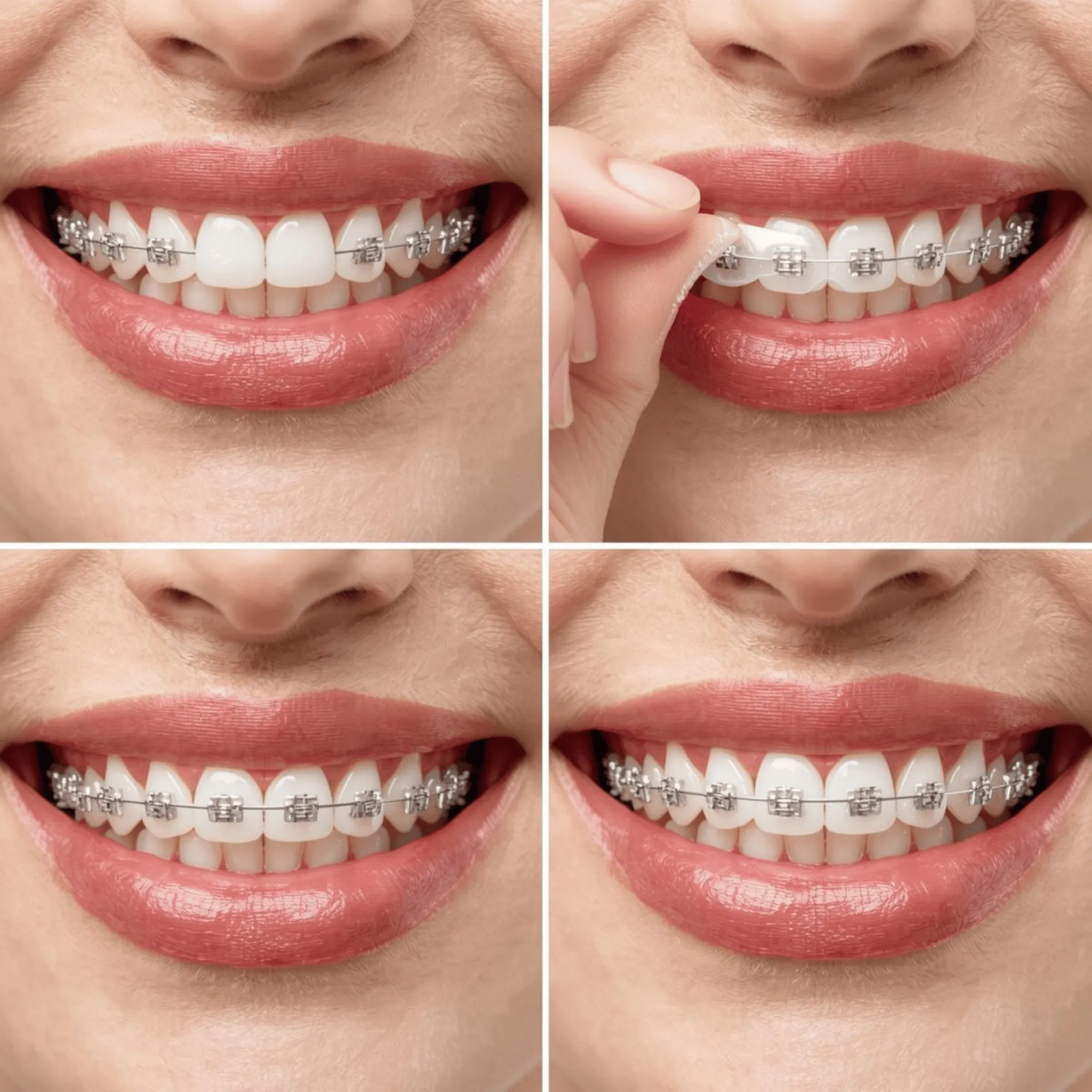
Now for the part we’ve all been waiting for! It’s the number one thing every new patient searches for:“What color braces should I get?” Your color ties (rubber bands) are changed at every adjustment—usually every 4 to 8 weeks—giving you a fresh chance to change up your look.
How to Choose the Best Color for Your Teeth:
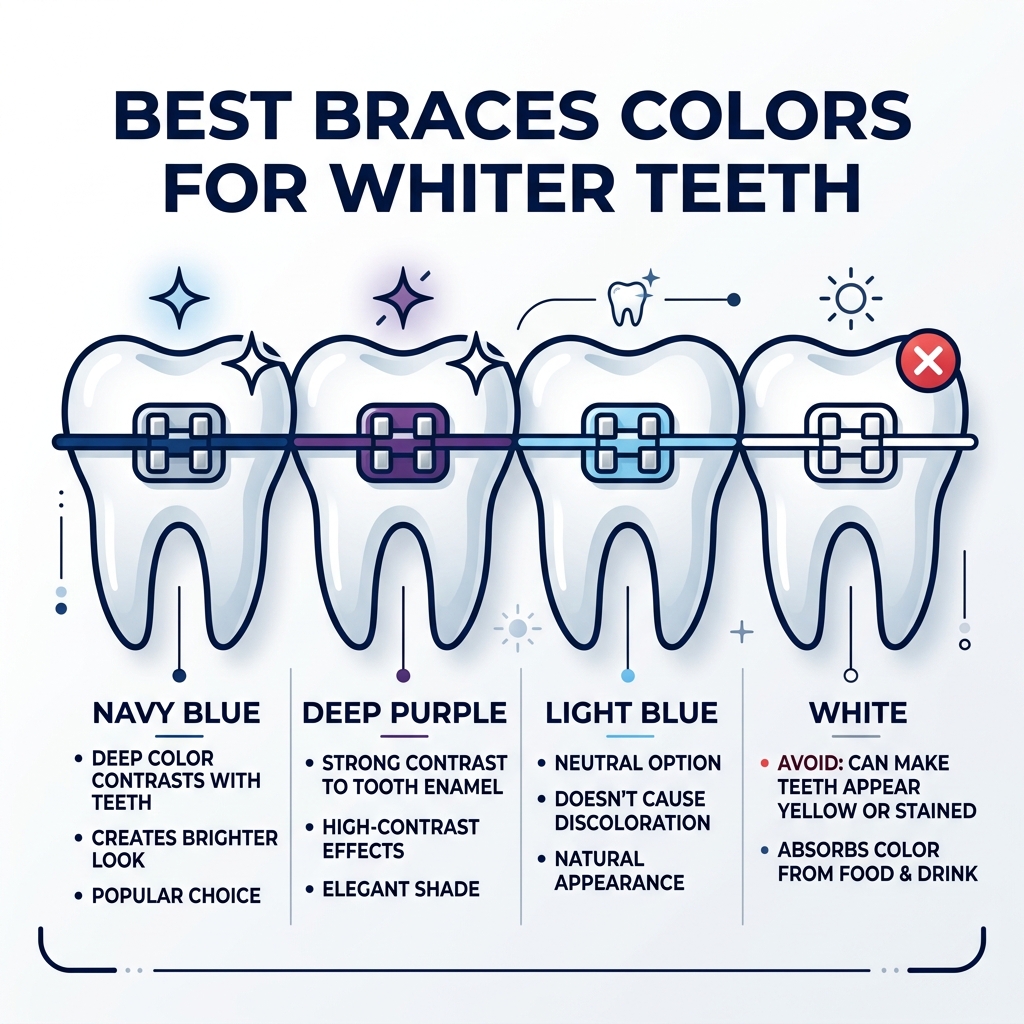
The best color for you depends on your goal. If you want your teeth to look whiter, I recommend choosing Dark Blue, Purple, or Black. These dark tones provide a high contrast that makes your tooth enamel appear much brighter.
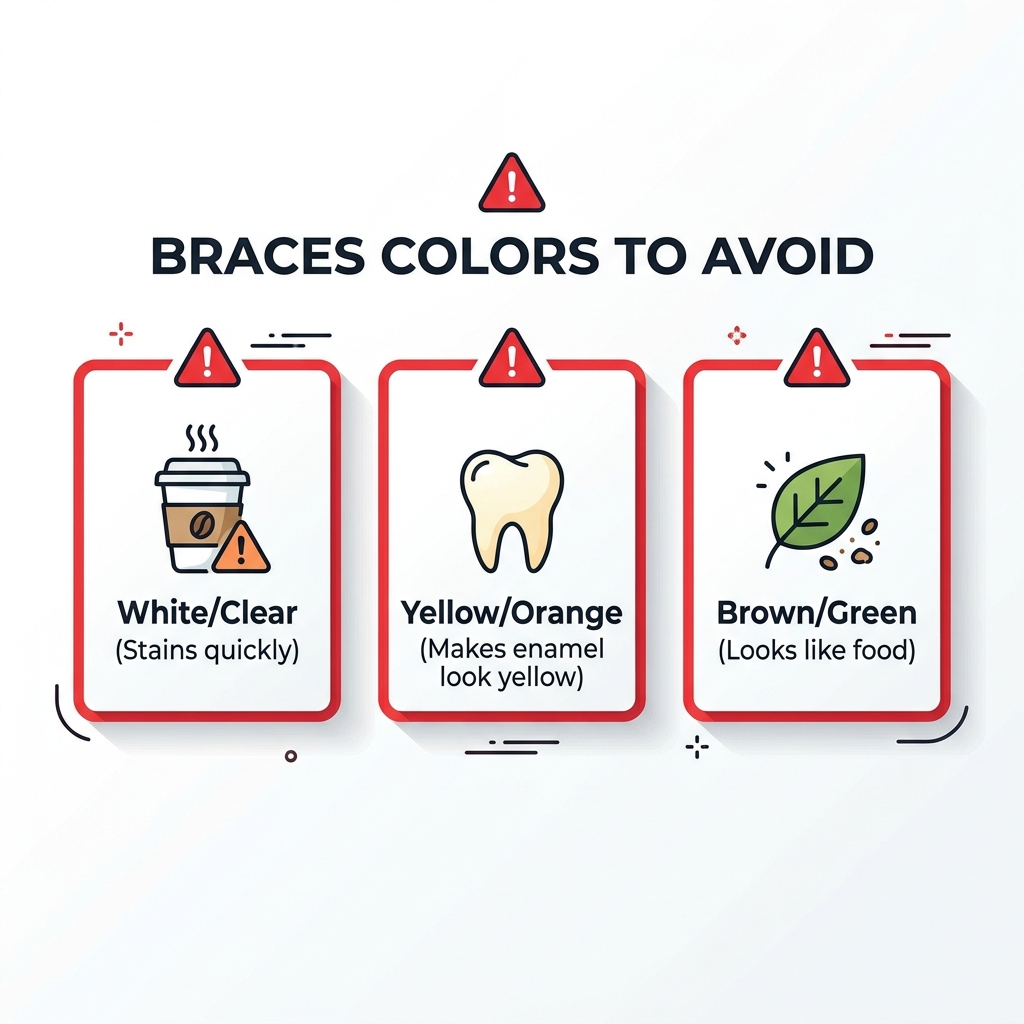
⚠️ Colors to Avoid:
- Yellow/Gold: Unless you’re a rich rapper, avoid these! They can make your teeth look stained or yellowed.
- White: Braces overshadow your natural tooth color, making them look dull or stained by comparison.
- Green: Be careful—this often looks like you have a piece of spinach stuck in your teeth!
The Braces Color Master Palette
Choose your next look from our expert-curated palette. Hover over a color to see why it works!
Pro Tip: Your orthodontist has a "color wheel" with even more options. Always ask to see it in natural light before they attach the bands!
Matching the Season & Personality
Red & Green for Xmas; Orange & Black for Halloween.
Match your bands to your school or sports team.
Pink/Sky Blue for darker skin; Silver/Teal for lighter skin.
3. Beyond Brackets: Rubber Bands, Elastics, and Power Chains
During your treatment, your orthodontist might add some extra "hardware" to your mouth:
Inter-Arch Elastics (Rubber Bands)
These small rubber bands connect the top and bottom teeth to fix overbites, underbites, and crossbites.Pro Tip: Wear them exactly as your doctor instructs. Forget them, and your treatment time gets longer!
Power Chains
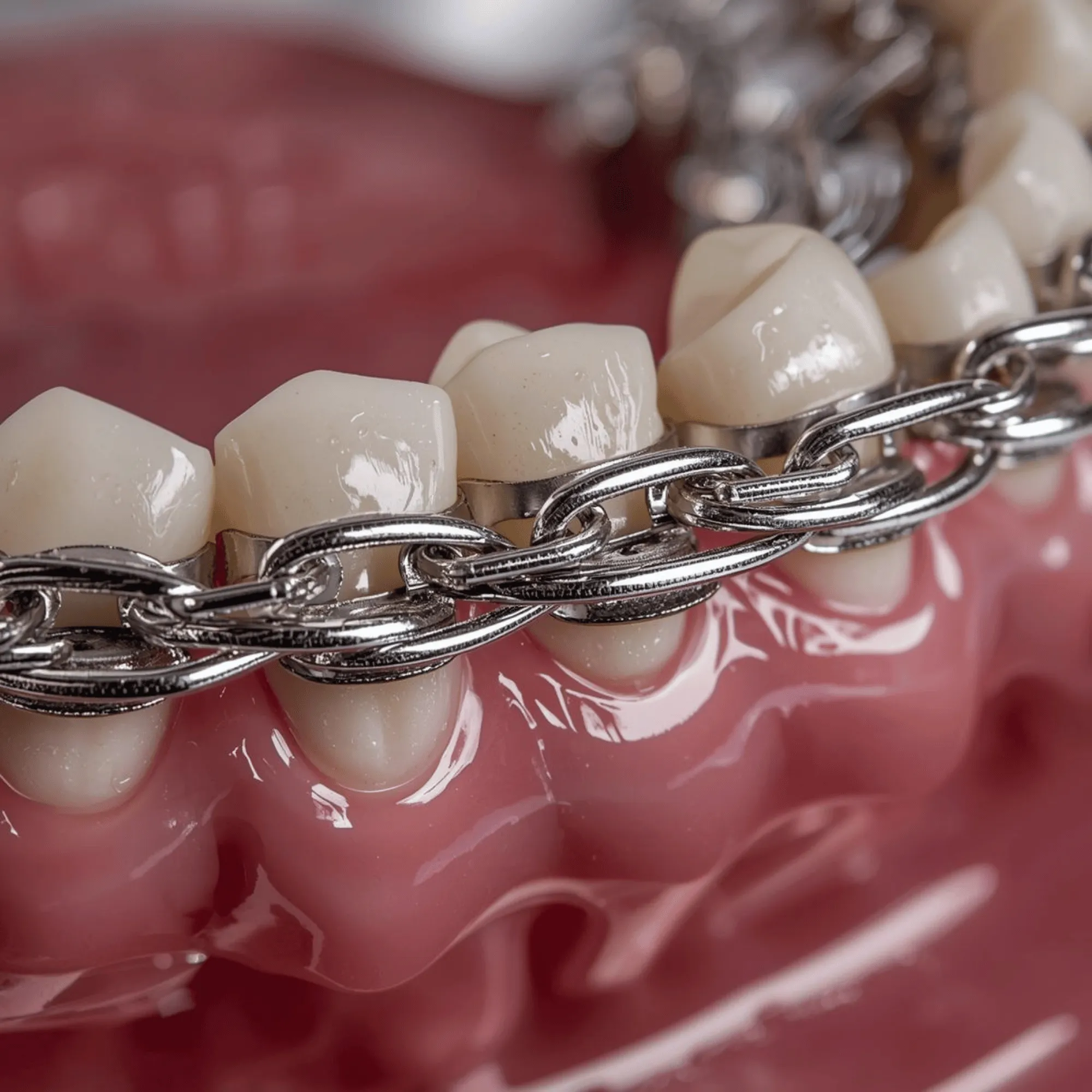
This is a connected string of rubber bands that looks like a chain. These are used to close gaps quickly and pull teeth together. They are tighter than regular bands, so expect some soreness for 24 to 48 hours after they are applied.
4. Braces vs. Invisalign: Which is Quicker?
There is a common myth that Invisalign is always faster. While it can be true for simple cases (6 to 12 months), traditional metal braces are usually faster for severe jaw or bite issues because they have more leverage to move the roots of the teeth.
Conclusion: Which Should You Choose?
- 🚀 Fastest results at lowest price: Go with Traditional Metal.
- 🕶️ Self-conscious adult professional: Invisalign or Ceramic are your best bets.
Try Our Color Picker Simulator
Try every band color before your orthodontic appointment.
Launch Tool →More on Types & Colors
Guides on styles, colors, and choosing the right look.