How Much Do Braces Cost Without Insurance? (2026 Insider Price Guide)

Quick Answer
Braces cost $3,000–$5,500 for metal, $4,000–$7,000 for ceramic, and $3,000–$8,000 for Invisalign without insurance. Lingual braces run $8,000–$12,000. These figures include records, adjustments, and retainers. Paying upfront, using an FSA or HSA, and comparing multiple orthodontists can reduce the total cost by 15 to 30 percent.
Part of our Braces Cost & Insurance Master Guide.
If you walk into a dentist’s administrative center without dental insurance, sticker surprises can be actual. Unlike searching for a vehicle, there may be no MSRP (Manufacturer's Suggested Retail Price) for braces. A sanatorium down the road will probably quote you $4,500, at the same time as over-sacrificing exercise miles away costing you $8,500 for the exact same metal brackets and stars.
The honest reality is that braces often cost between $3,500 and $8,000 out of pocket without coverage.
But that range doesn't inform the complete tale. In this manual, we're pulling back the curtain on orthodontic pricing. We’ll examine the real expenses by braces type, breakdown the hidden charges clinics hardly ever mention in advance, give an explanation for the commercial enterprise version of orthodontic markups, and give you battle-tested negotiation techniques to shave heaps of greenbacks off your very last invoice.
1. Average Cost Breakdown via Braces Type (2026 Prices)
The type of braces you pick is the unmarried biggest factor in your uncooked remedy value. Here is what you can count on to pay out-of-pocket with none insurance coverage:
The table below outlines key comparison data and practical guidelines for how much do braces cost without insurance?.
| Braces Type | Average Cost | Speed & Visibility | Key Financial Advantage |
|---|---|---|---|
| Traditional Metal | $3,000 - $6,000 | Highly visible; Fast outcomes | Maximum finances-pleasant option with the best room for negotiation. |
| Ceramic (Clear) | $4,000 - $7,000 | Seen; Mimics teeth color | Cheaper than invisible aligners however offers the cosmetic gain of being less visible. |
| Damon (Self-Ligating) | $4,500 - $7,500 | Visible; No elastic ties needed | Requires fewer adjustment visits, which can save you gas and time off work. |
| Invisalign (Aligners) | $3,500 - $8,000 | Nearly invisible; Removable | Flat lab fees suggest you could shop around for the provider with the lowest markup. |
| Lingual Braces | $6,000 - $11,000 | Behind teeth; Custom | Custom-cast brackets mean big in advance lab charges that clinics cannot discount. |
Note: Data reflects typical clinical guidelines and average provider estimates across standard treatment plans.
Why the Price Gap Exists
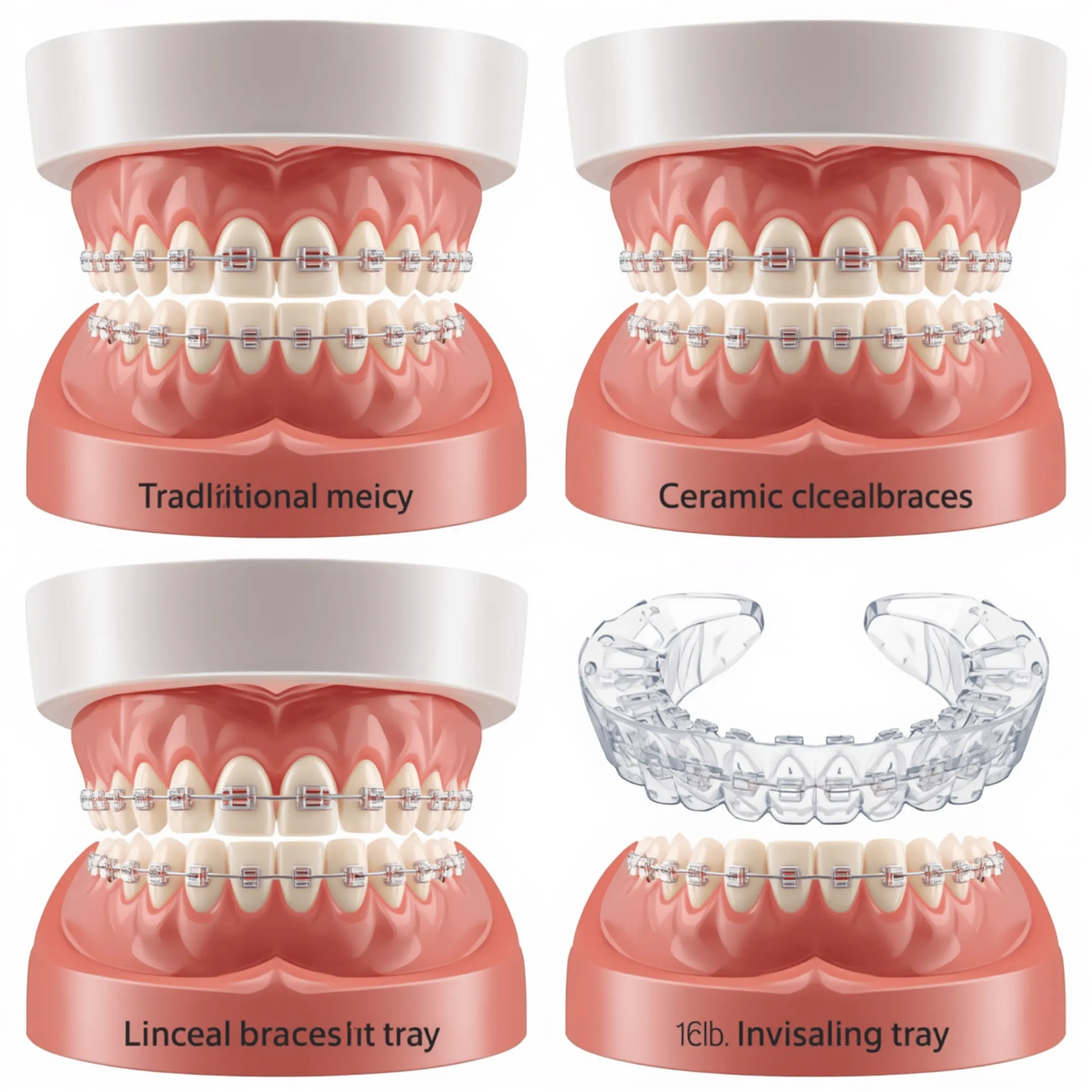
Traditional metallic braces are cheap because the brackets are mass-produced in bulk and general wires are used. Lingual braces, then again, require custom-solid gold or clinical-grade alloy brackets made particularly for the again surfaces of your character tooth, combined with robotic twine bending. If you pick lingual, you are paying a premium for custom lab fabrication before the brackets even touch your mouth.
2. The Hidden "Extra" Fees That Inflate the Bill
When you receive a quote for braces, most people assume that number covers everything. It rarely does. Orthodontists love to package costs, however in the event that they do not, you can get nickel-and-dimed.
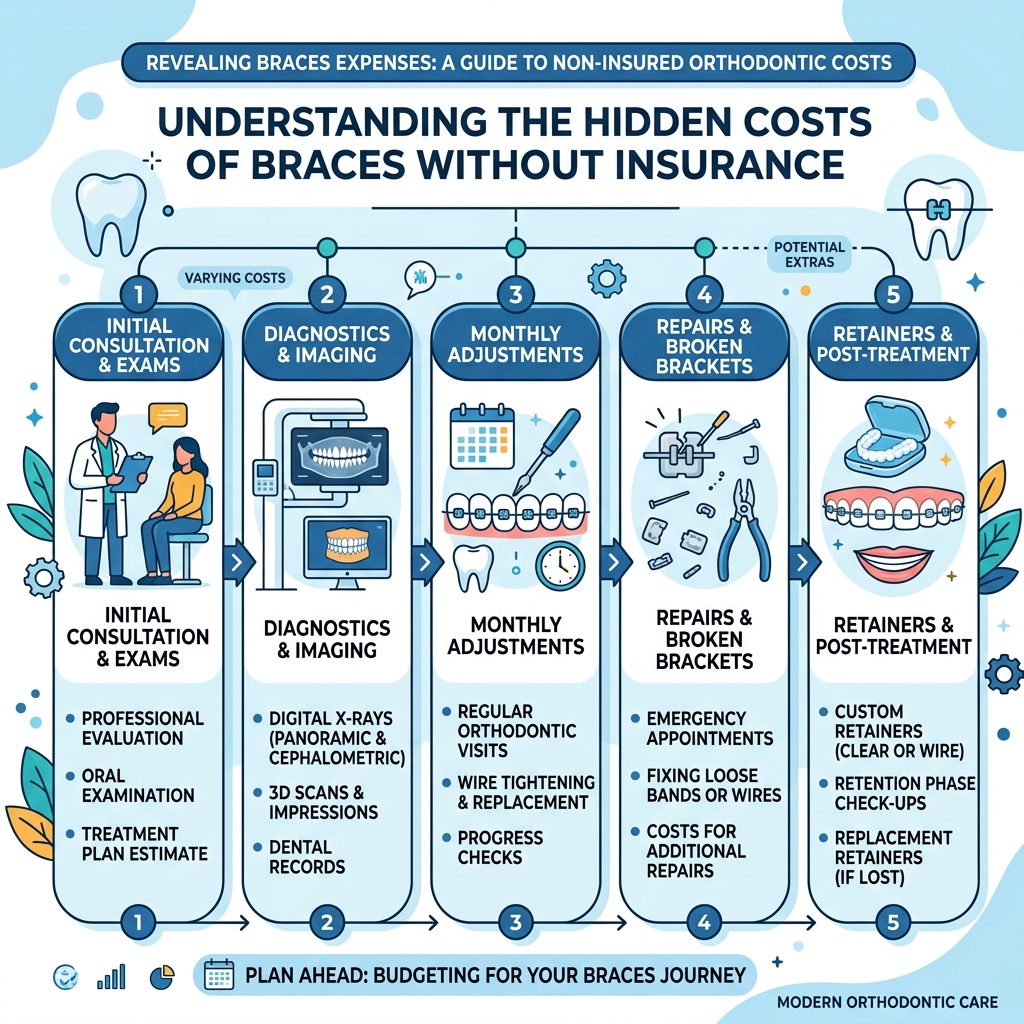
When you get your initial quote, ask if it's miles a "Global Fee" (all-inclusive) or if you'll be billed one by one for these items:
- The Initial Consultation & Records Fee ($150 - $500): This covers the three-D digital scans (iTero or similar), panoramic X-rays, and physical molding. Some offices offer unfastened consultations, however fee you for the records if making a decision to go someplace else.
- Emergency Repair Visits ($50 - $150 in step with visit): If you pop a bracket off chewing a piece of crusty bread or spoil a twine, a few places of work charge an emergency price after the first 2 or 3 incidents.
- Retainers ($300 - $1,000): Your active treatment may give up when the brackets come off, but your enamel will right away shift lower back without a retainer. A set of clear Essix retainers or a bonded cord retainer is regularly billed one at a time at the end of treatment.
- Retainer Inspection and Adjustment ($100 - $300): A follow-up visit within the pathway of the primary one year after completion of braces to check on the shape of your retainer.
Pro Tip: Always call for a written agreement stating: "This price represents the international rate masking the number one set of all consultations, bonding, modifications, emergency visits, de-banding (elimination), and established up-measure holders." If they refuse to put it in at the time of writing, walk away.
3. The Business Model: Why Zip Codes Dictate Prices
To negotiate effectively, you have to understand how an orthodontic practice actually makes money. Orthodontists do no longer get rich off the raw substances. A pack of incredible metallic brackets prices the medical doctor much less than $250. The twine charges pennies. Instead, you're procuring chair time, lab prices, and workplace overhead.
The Overhead Factor
An orthodontist running in a high-rent downtown clinical middle has large month-to-month lease charges, expensive virtual imaging machines to repay, and a massive payroll of dental assistants. To stay worthwhile, they must price $7,000+ consistent with treatment. If you force 20 to half-hour outside of a primary metropolitan vicinity to a suburban or rural circle of relatives practice, their overhead is considerably decrease. The same physician with the same credentials using the identical substances can profitably charge $4,500.
The Lab Fee Component (Invisalign vs. Braces)
For Invisalign or clear aligner treatments, the orthodontist has to pay a huge flat charge immediately to Align Technology (the producer of Invisalign) just to print the trays. This price is often between $1,500 and $1,900. Because of this high "difficult fee," docs have less room to cut price Invisalign. With metallic braces, the "hard fee" is minimal, giving the health center much extra flexibility to discount the treatment to win your commercial enterprise.
Explore Our State-by-State Pricing Guides
Because zip codes heavily influence overhead and pricing, we've compiled detailed cost breakdowns and Medicaid rules for major US states:
- California Braces Costs & Medi-Cal
- Texas Braces Costs & TMHP
- Florida Braces Costs
- New York Braces Costs & eMedNY
- Illinois Braces Costs
- Pennsylvania Braces Costs
- Ohio Braces Costs
- North Carolina Braces Costs
- Georgia Braces Costs
4. Insider Negotiation Tactics (How to Lower Your Bill)
Since you do not have insurance to cover the costs, you are a "cash-pay" patient. In the medical world, cash-pay patients are highly valuable because the clinic doesn't have to deal with insurance paperwork, claims processing delays, or audits. Use this to your advantage.
1. The "Paid-in-Full" Cash Discount (Save 5% to 10%)
Orthodontists face a high rate of month-to-month charge defaults. If you provide to pay the entire balance prematurely in cash or take a look at, almost each single practice will offer a right away 5% to 10% bargain.
Negotiation script: "I am procuring this completely out of pocket with out coverage. If I pay the full amount today in coins as opposed to doing a month-to-month plan, what is the most bargain you may offer?"
2. Shop the "Consolidated" Multi-Specialty Clinics
Look for dental offices that have stylish dentists and orthodontists inside the identical constructing. These clinics often run promotions or package deal offers. If you get your cleanings, fillings, and braces accomplished at the same location, they'll be much more likely to drop the braces pricing to preserve you as an entire existence own family customer.
3. Seek Out Dental & Orthodontic Residency Programs
If you stay close to a college with a dental university, check inside the event that they provide an orthodontic residency health center.
- The seize: Treatment is completed with the resource of dental faculty graduates who are that specialize in orthodontics, supervised at once through board-certified professors.
- The gain: The treatment is equal in exquisite, but the fee is usually 30% to 50% much less high priced than a private workout.
4. Leverage Competing Quotes
Never receive the primary quote you receive. Go to at the least 3 consultations (pick ones that provide free consultations). Get the written fees itemized. Take the bottom quote to the office you appreciated the most and say: "I without a doubt opt for your workplace and body of workers, however Doctor X down the road quoted me $4,800 for the equal steel treatment. If you may suit that price, I am prepared to sign the contract and pay the deposit these days."Most orthodontists will suit a nearby competitor’s fee to avoid dropping a chair vacancy.
5. Navigating Interest-Free Payment Plans
If you cannot afford to pay $5,000 prematurely, do not panic. Almost no one will pay for braces in a single lump sum. You have primary fee options:
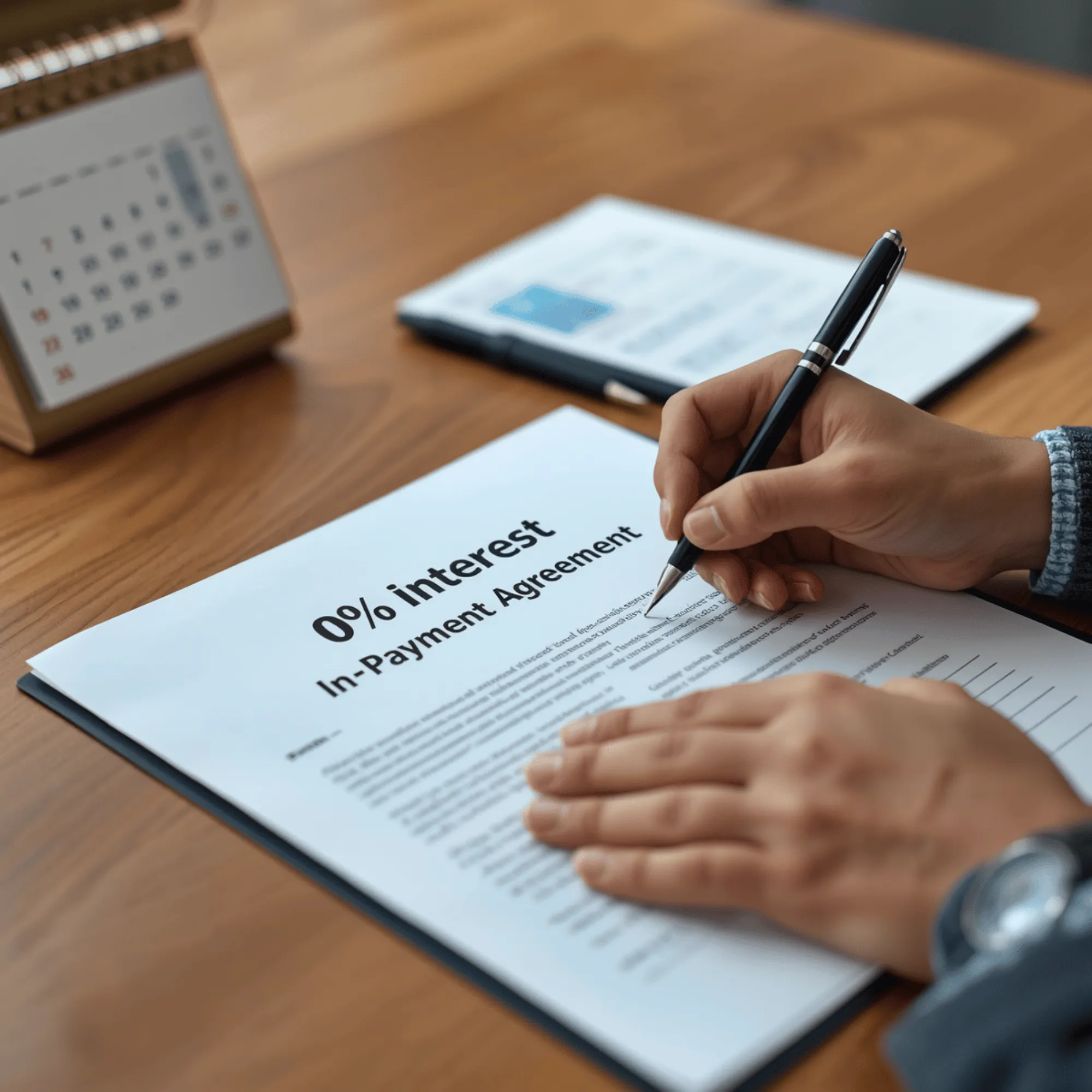
Option A: In-House Financing (0% Interest)
Most official orthodontists provide in-house price plans. You pay a down price (normally $500 to $1,500) to cowl the preliminary facts and bonding price, followed by means of month-to-month payments unfold over the path of your remedy (typically 12 to 24 months).
The first-rate part is that in-residence plans are almost constantly interest-loose (0% APR). The medical doctor secures your fee with an automatic credit card authorization or bank draft.
Warning: Never conform to an in-residence plan that fees interest. If they try to charge interest, discover a distinct issuer.
Option B: Third-Party Financing (CareCredit)
If the health center does no longer offer in-residence plans, they may likely direct you to CareCredit or a comparable healthcare credit score business enterprise.
The capture is that these agencies provide "no-interest" periods (e.g., 18 months), but in case you fail to pay off the complete stability internal that real window, they will rate retroactive interest fees as excessive as 26.99% from day one. Only use third-party financing as a final resort, and make certain you have got a guaranteed way to repay the stability in advance than the promotional length ends.
Summary: The Cash-Pay Strategy Guide
Getting braces without insurance doesn't have to break your bank account if you follow these rules:
- Get 3 distinct quotes from different zip codes (suburbs are generally cheaper than metropolitan centers).
- Verify the quote is a Global Fee to avoid surprise bills for retainers or emergency repair visits.
- Offer a pay-in-full coins discount if you have the savings to be had, saving you as much as $600 right away.
- Insist on hobby-loose in-house financing to unfold the expenses comfortably over 18 to 24 months.