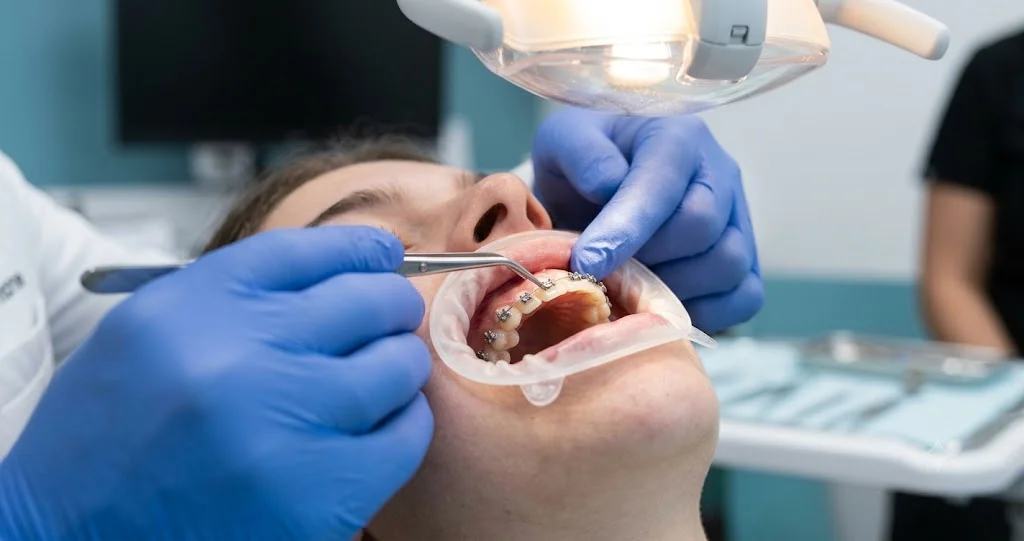
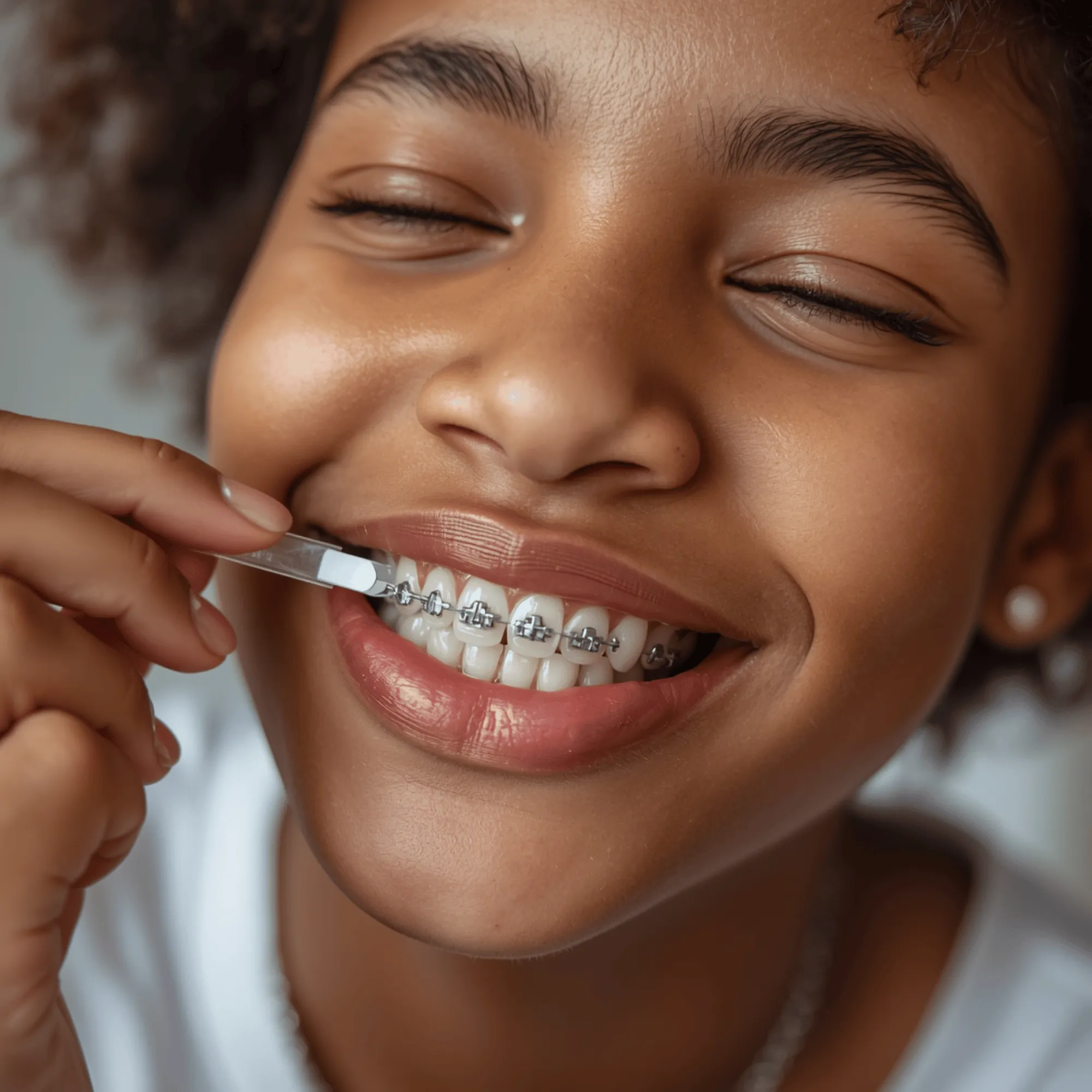
Let’s have a man-to-man talk for now. Let’s be real for a second: if you have decided to get braces, then this question is definitely on your mind: "How bad is it going to hurt?"
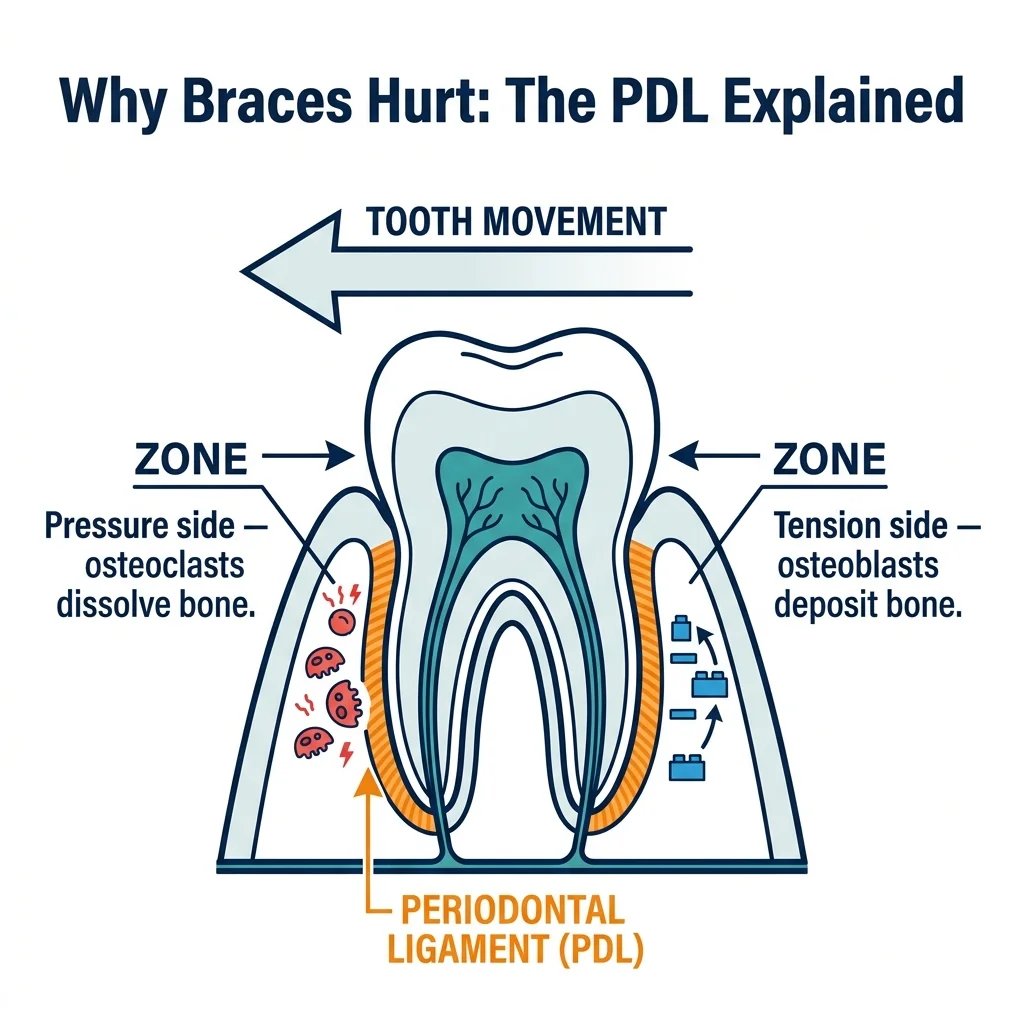
If you are scrolling through the internet—Reddit, TikTok, etc.—you might have seen some horror stories. But it’s not as scary as it looks, and I’ll give you the honest truth. There is some discomfort, but it’s for your own good. It means your teeth are moving and the treatment is working. Beauty is pain sometimes!
In this Helping Guide, we will talk about what to expect and how to handle the discomfort or soreness like a pro. And if anything goes sideways, we'll cover what to do then, too.
Phase 1: The First Week (The "Adjustment" Period)
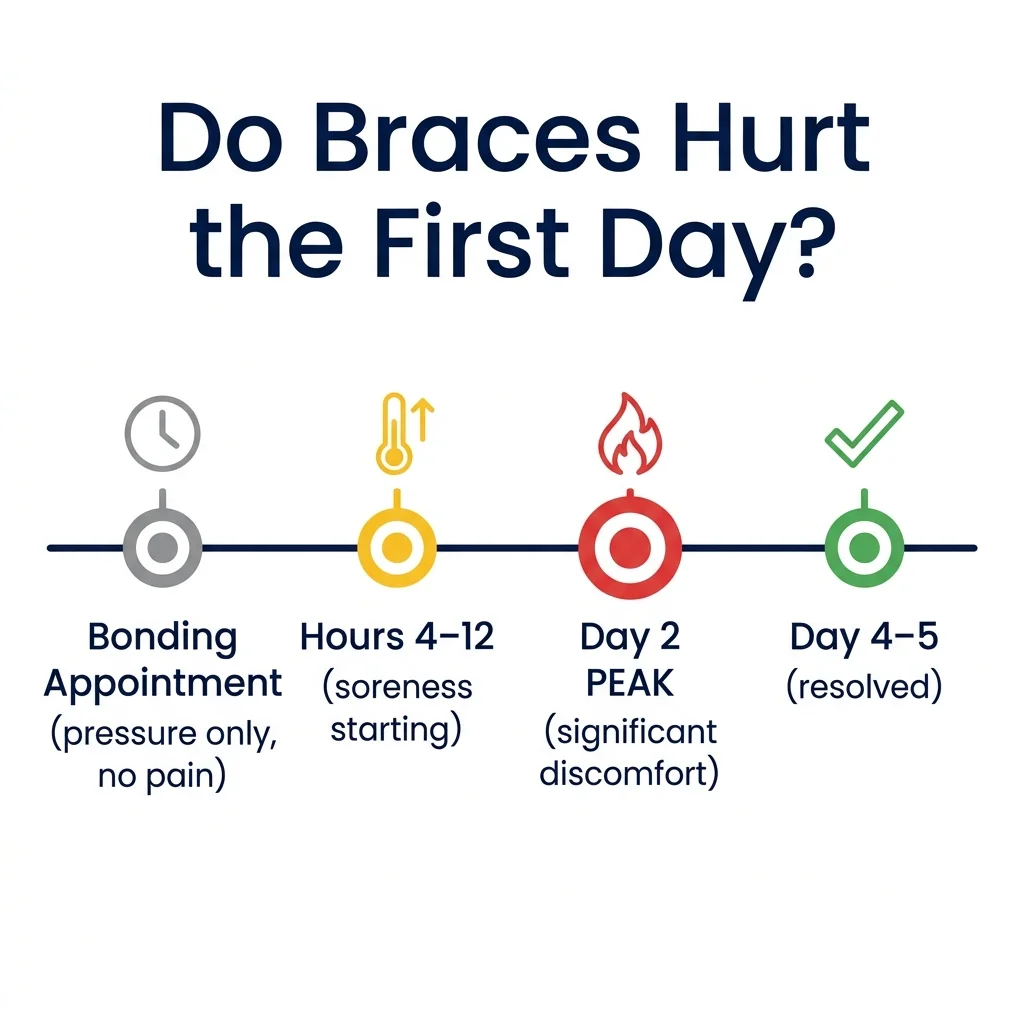
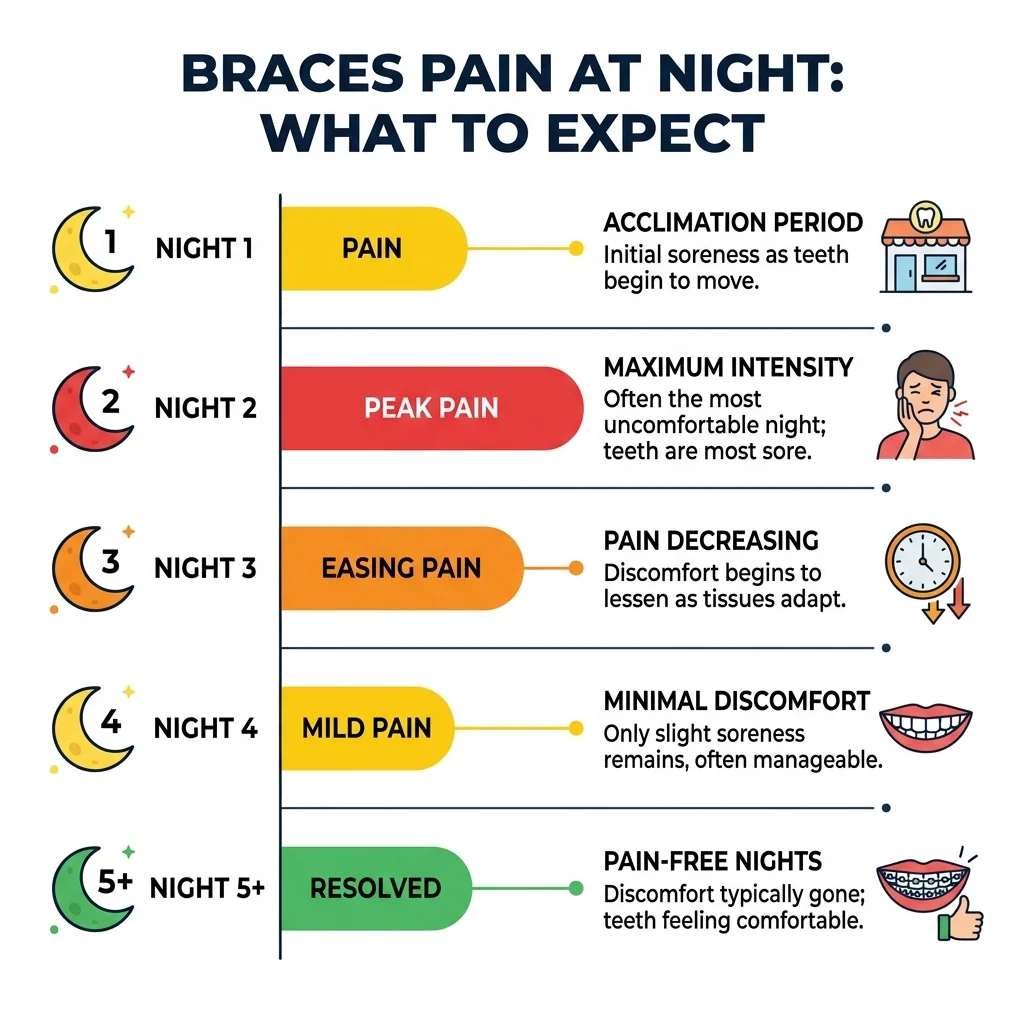
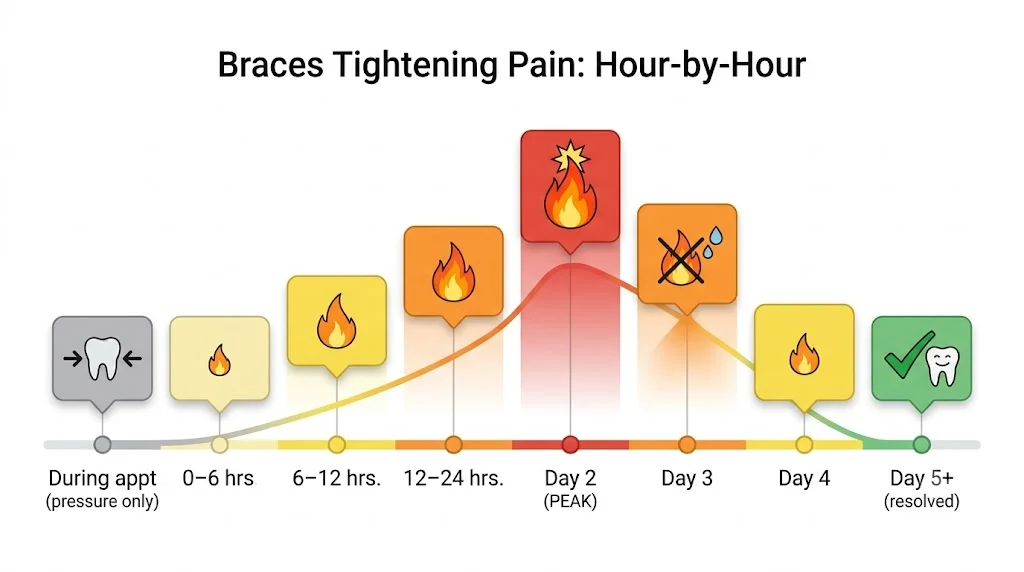
The day you get your braces on—Bonding Day—you will be very excited to see the new change in the mirror. You will also be excited to show this change to the people around you. On this day, you will not feel any pain. But you will feel a lot of metal or 'hardware' in your mouth. Your mouth will also have a different taste for a while. But after a certain point—mostly 4 to 6 hours later—you will slowly start to feel some pain.

Now, what to expect after the first day:
- Sensitivity: Your teeth will be at their highest level of sensitivity. Even eating bread might feel like a workout.
- The "Tennis Ball" Feel: Your lips and cheeks are not used to the brackets yet. You will get some soreness on your face, and it might feel a bit red. It’s like someone put a tennis ball in your mouth!
Survival Tips:
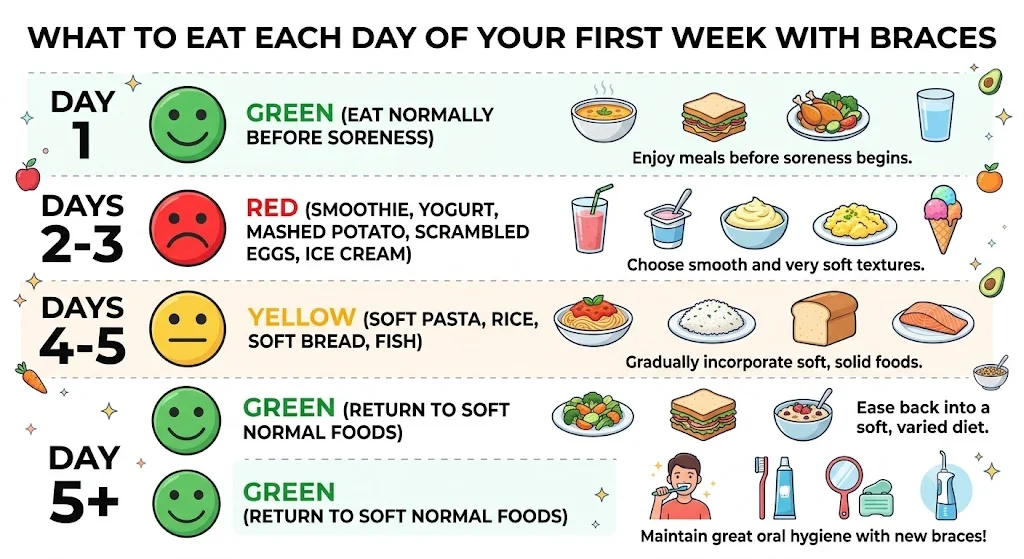
- Stick to soft foods: For 4 to 5 days, your daily diet will mostly include mashed potatoes, smoothies, and yogurt. (Check out our Diet Guide for the full list!).
- Saltwater Rinse: Mix a teaspoon of salt in warm water and swish it around. It heals those little cheek cuts faster than anything else.
- Cold Relief: You will love this tip! It’s good to eat soft, cold things like ice cream, or you can just drink cold water. Cold helps numb the gums and can even slightly deactivate the heat-sensitive wires used in modern braces.
Phase 2: The "Tightening" (Adjustment Appointments)
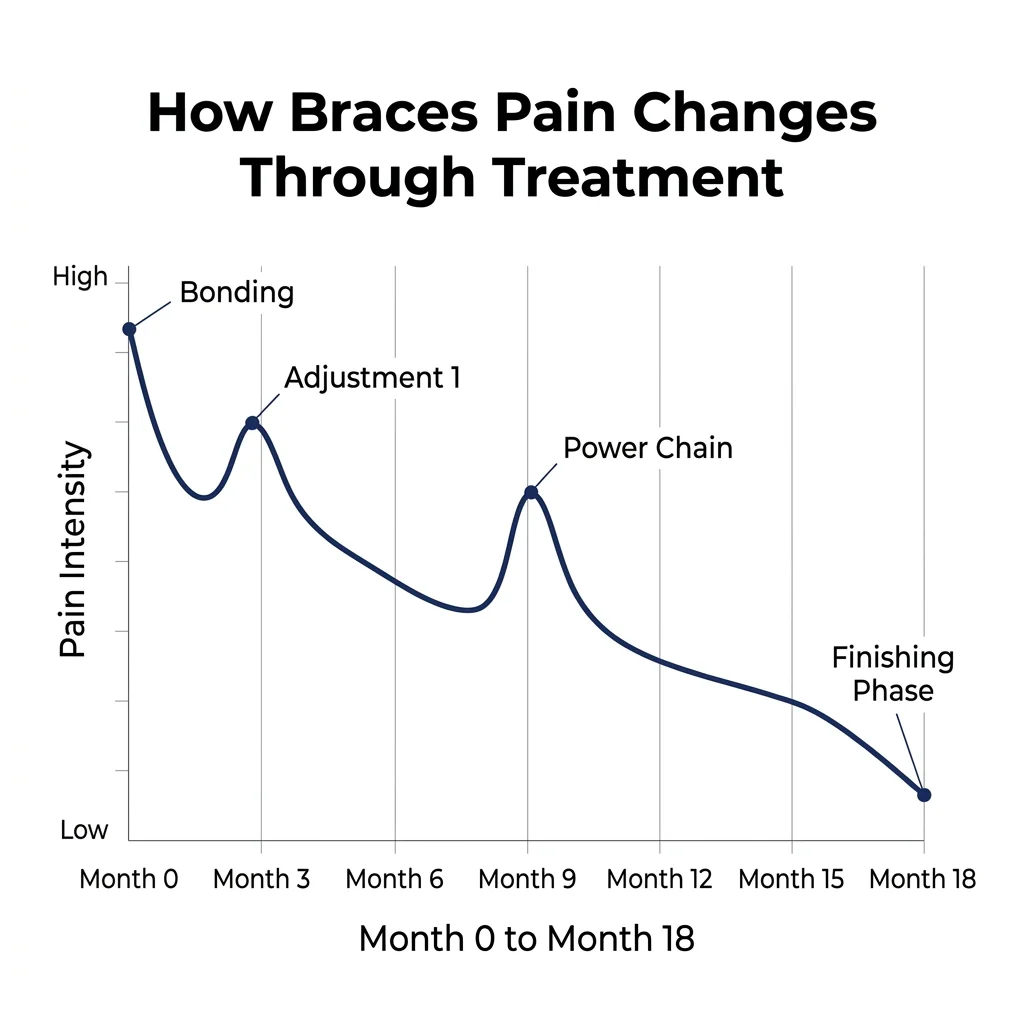
After surviving with our tips, you will go back to your orthodontist after 4 to 8 weeks for adjustments. Your orthodontist will swap your wires or add "power chains."
Does it hurt when they tighten them?
No, you’ll just feel some pressure in your teeth. Soreness will kick in the next morning and last for about 24 to 48 hours. The good thing is, it’s much shorter and milder than the very first week!
Your Secret Weapon: Orthodontic Wax
Just a pro tip or a friendly reminder: you should always keep one thing with you while wearing braces—orthodontic wax (Braces Wax). This small box will become your best friend during the first few weeks of your treatment.
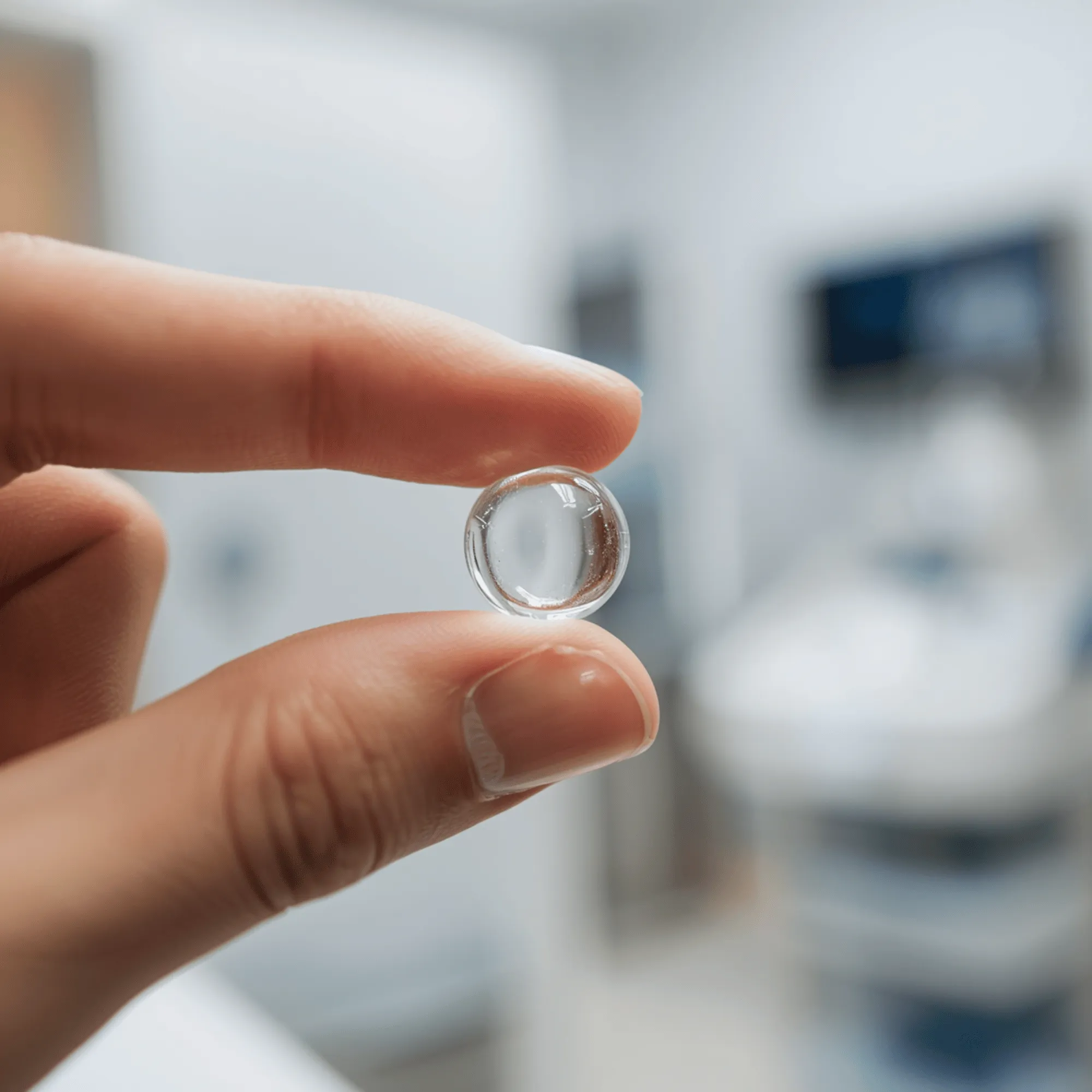
After getting braces, your lips, cheeks, and gums are not used to the wire and metal brackets inside your mouth. Because of this, they keep rubbing against each other. Due to this, you feel irritation, soreness, and sometimes small cuts inside your mouth. That’s where braces wax comes into the picture.
How to Use Braces Wax:
- • Wash your hands and keep everything clean.
- • Pinch off a small piece of wax (about the size of a pea).
- • Roll it into a small ball using your fingers to soften and warm it up.
- • Dry the bracket or wire with a tissue or cotton, because wax sticks better to a dry surface.
- • Gently press the wax over the bracket or poking wire that is causing discomfort.
When Should You Use It?
- A bracket feels sharp.
- A wire is poking your cheek or gums.
- Your mouth feels irritated after an adjustment appointment.
- You develop small sores inside your mouth.
Many people use it a lot in the starting weeks of treatment. As time goes on, you'll use it less and less because your cheeks and lips start adjusting to the braces.
Is Braces Wax Safe to Swallow? Yes, it is safe to swallow, so don’t worry about it. However, it’s still better to remove it before meals and while sleeping if you can.
Pain Relief Hacks by the Braces Guide Guys
- Meds: Tylenol or Ibuprofen usually do the trick. Just check with your parents or doctor first.
- Orajel: If you have a specific spot on your cheek that hurts, a little numbing gel like Orajel can help you get through the night.
- Chew it out: It sounds crazy, but sometimes chewing on a 'Bite Wafer' or just gently chewing soft food helps blood flow to the area, which actually speeds up the healing.
Braces Emergencies: Don't Panic!
Get familiar with the sounds of 'poke' and 'pop'—you’re going to hear these sounds a lot. It may look like an emergency, but don't panic when it happens. Just remember our DIY 911 guide to help you temporarily:
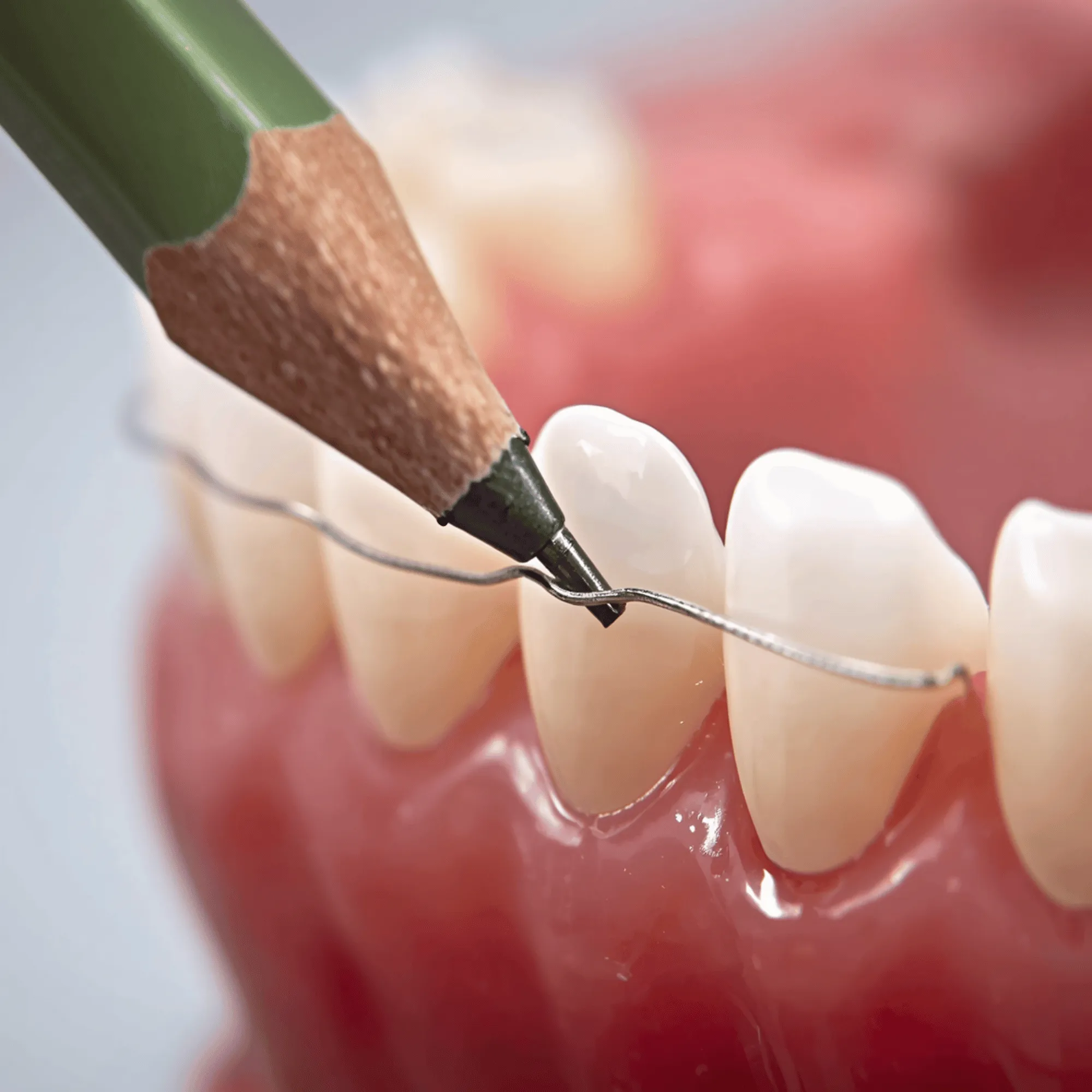
- Poking Wire: If a wire is poking your cheek, use the rubber eraser end of a pencil to gently push it back toward your teeth. If that fails, use braces wax to cover it.
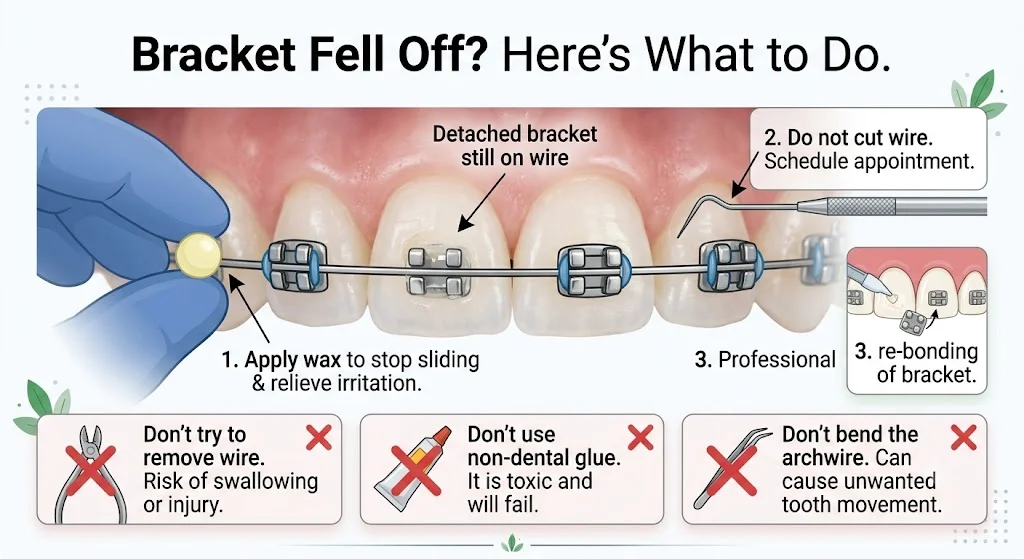
- Loose Bracket: If a bracket is attached to the wire but loose on the tooth, just use wax to cover it and stop it from sliding. Contact your ortho the next day to get an appointment.
- Missing Rubber Band: If your tiny colorful band pops off, it’s not an emergency. Don't worry about it—just stay calm and contact your orthodontist.
Lastly, Remember the Goal!
Every time you feel that tightness, it’s a good sign! It means your teeth are getting straighter. The soreness lasts for a few days, but your smile will last forever. Cheers!
View Cost & Insurance GuideMore on Pain & Discomfort
Guides on managing soreness and handled emergencies.