Life After Braces: Retainers, Relapses, and Minor Teeth Shifts (2026 Guide)
Quick Answer
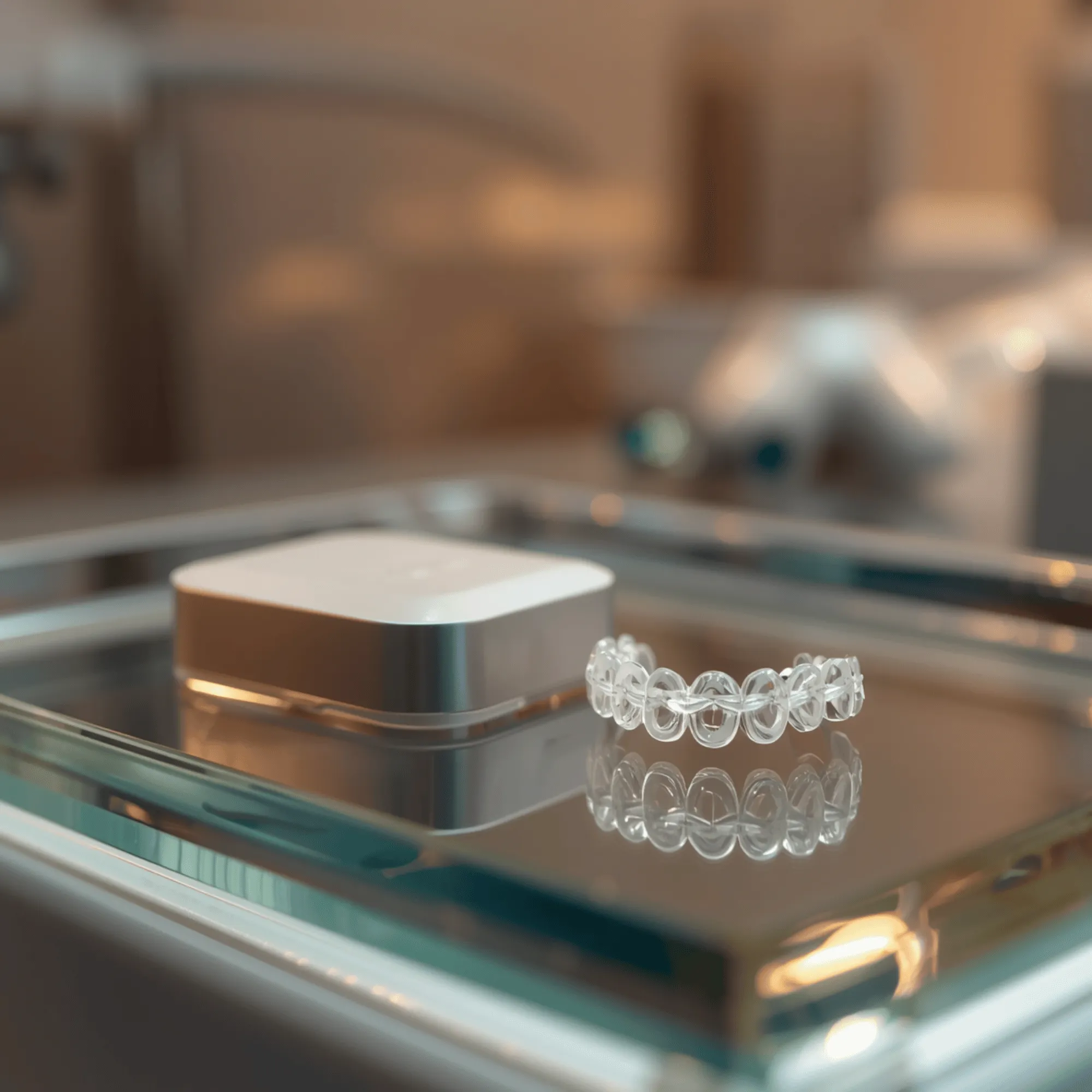
Retainer wear is required indefinitely after braces. Nightly removable retainer use or a permanent fixed wire retainer keeps teeth in position as jaw anatomy continues to change throughout life. Stopping retainer use entirely results in gradual relapse for most patients. The standard rule: wear your retainer as long as you want straight teeth.
Part of our Life After Braces & Alternatives Master Guide.
You finally get the brackets off your teeth after 24 long months of treatment. You run your tongue over your clean, smooth enamel, take a dozen selfies, and imagine you are done with the orthodontist's chair forever. But then they hand you a clear plastic case and say, "You must wear this retainer at all times."
The reality is: No, you are not actually done. If you stop wearing your retainer, your teeth will shift. But what if you’ve already stopped wearing it, your teeth have shifted back to crowding, and you don’t want to cough up another $5,000 for a second round of braces?
In this guide, we will break down the "Retainer Relapse Loophole", explain the hidden adjustments orthodontists use to correct minor shifts, and show you how to manage minor teeth movement without starting treatment from scratch.
Calculus Bridges: Why Permanent Retainers Fail
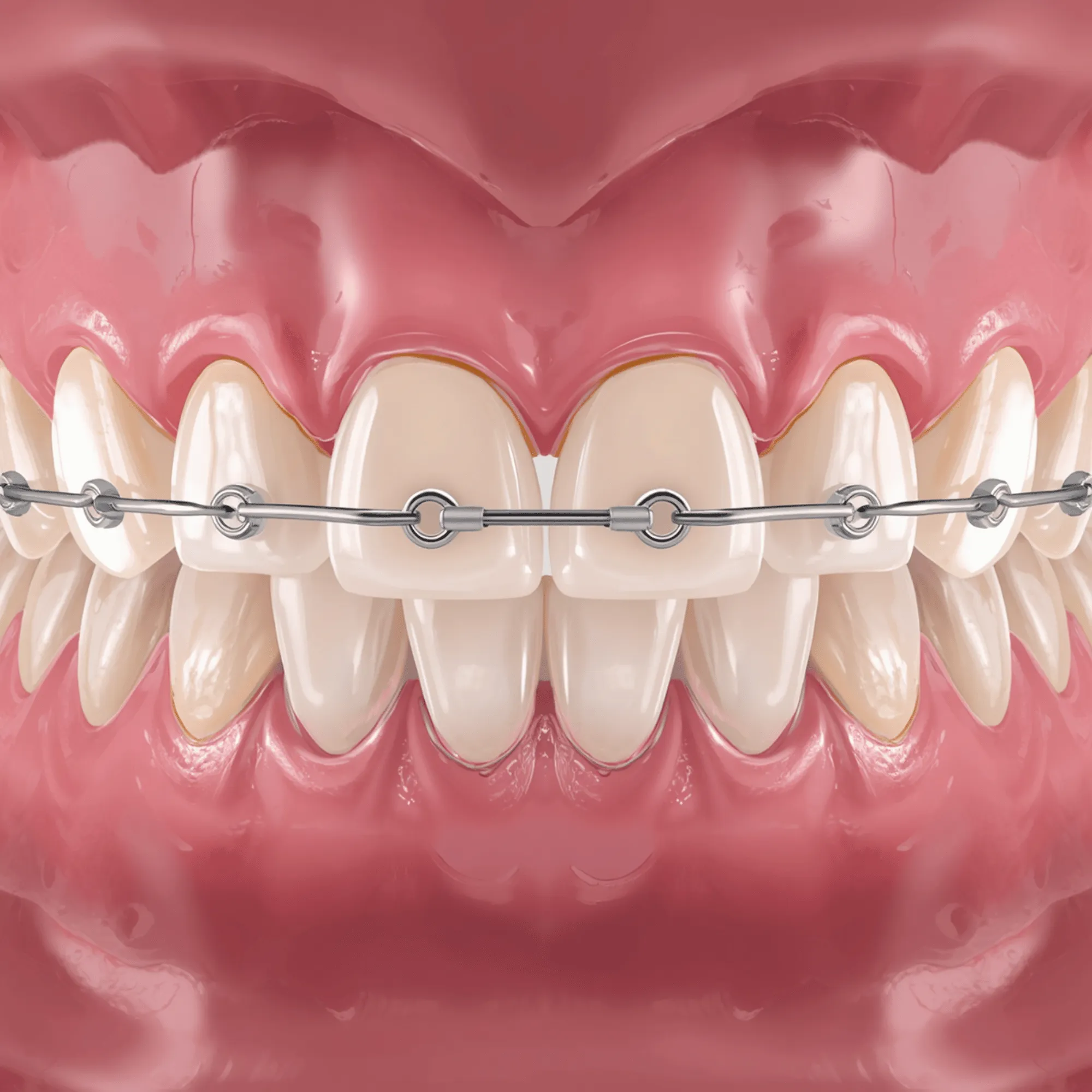
Bonded permanent retainers can fail due to calculus bridges, where hard tartar deposits accumulate around the wire and trap plaque against enamel.
Many patients choose a permanent bonded retainer (a metal wire glued to the back of the front teeth) thinking they can bypass the daily hassle of clear retainers. However, bonded wires come with a hidden danger that dentists rarely warn you about:
The Calculus Bridge
The metal wire creates a physical shelf behind your teeth where salivary minerals pool. This creates a hard, mineralized deposit known as a **calculus bridge** (tartar) that cannot be removed with normal flossing. Over 5 to 10 years, this chronic plaque trap can lead to localized gum infections and bone loss.
The Smart Choice: If you choose a permanent bonded wire, ask your orthodontist for a clear Essix retainer to wear over it. This allows you to protect the alignment even if the glue breaks, and gives you the option to remove the wire after a few years once the bone has stabilized, switching entirely to nighttime wear of clear molds.
The "Retainer Activation Trick" for Minor Shifts
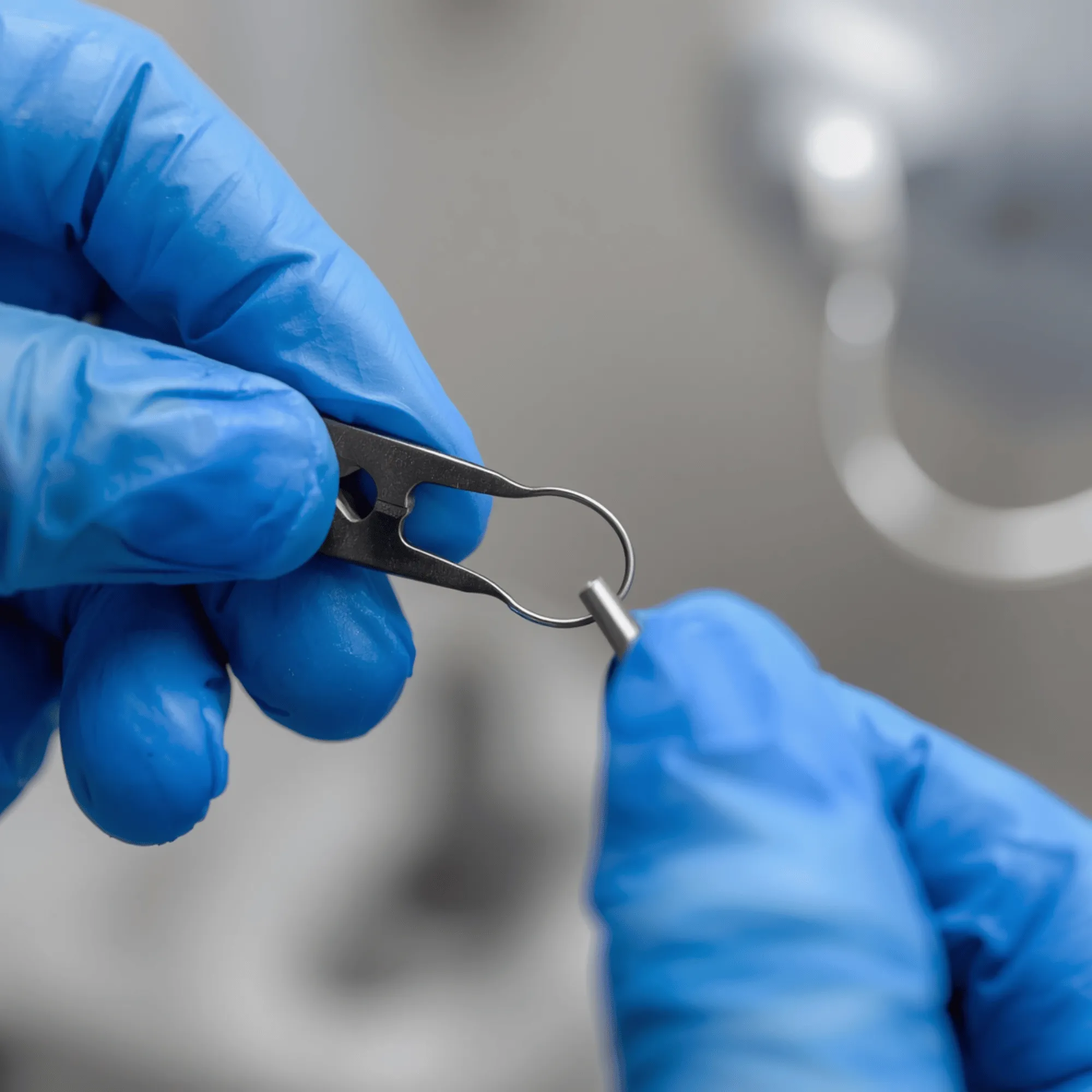
Orthodontists can activate existing Hawley or Essix retainers with wire bends or spot-heating to push minor tooth shifts back into alignment affordably.
Here is an insider secret: if your teeth have only shifted slightly (what orthodontists call a minor relapse), you don't necessarily need brand new braces or Invisalign. Orthodontists can often "activate" your existing retainer to push teeth back into place:
- For Hawley Retainers (Metal Wire & Acrylic): The orthodontist uses specialized optical pliers to bend the outer wire loops (called the U-loops). This slightly increases pressure on the shifted teeth, pushing them back into line over a few weeks.
- For Essix Retainers (Clear Plastic): Orthodontists use a specialized spot-heating tool to warm the plastic mold. This creates a tiny, precise dimple in the plastic that applies direct force to the specific tooth that has moved.
Significant Savings
Instead of charging $1,500+ for a minor aligner package, many orthodontists will perform these small retainer activations for a simple office visit fee of $100 to $200. Always ask if your current retainer can be adjusted before agreeing to a new treatment plan.
The Night-Only Relapse Loophole
If minor relapse occurs, temporary 24-hour retainer wear for 2 to 3 days can reset alignment before transitioning back to night-only retention.
If you stopped wearing your retainer for a few weeks or months and find the clear mold fits very tightly, do not throw it away! You might still be able to save your alignment using this approach:
- The 24-Hour Reset: Put on the tight retainer and wear it full-time (except when eating) for 48 to 72 hours. The pressure will feel sore, similar to the first day of braces, but minor shifts can often be guided back into their proper positions.
- Night-Only Maintenance: Once the retainer fits comfortably again, you can return to wearing it strictly at night while you sleep.
- Know the Limit: If the retainer will not sit all the way down onto your teeth or pops off when you open your mouth, do not force it. The teeth have shifted too far, and forcing the mold can damage your roots or crack your teeth.
Summary Checklist: Keeping Your Smile Straight
Maintaining a straight post-braces smile requires inspecting bonded wires regularly, testing removable retainers for fit, and avoiding unsupervised DIY aligner kits.
- Check Your Bonded Wire: Run your tongue or floss along the wire to ensure the glue has not detached from any teeth.
- Test Old Retainers: If a retainer is sitting in a drawer, test if it fits without excessive force to see if you can reset your alignment.
- Avoid DIY Aligner Kits: Avoid mail-order aligners that move teeth without X-rays, as this can lead to permanent tooth loss if active bone loss or gum disease is present.
Want to keep your teeth clean and stain-free post-braces? Read our Braces Maintenance and Oral Hygiene Guide for professional flossing and cleaning recommendations.