
How to Clean a Retainer: The Ultimate 2026 Guide (All Types)
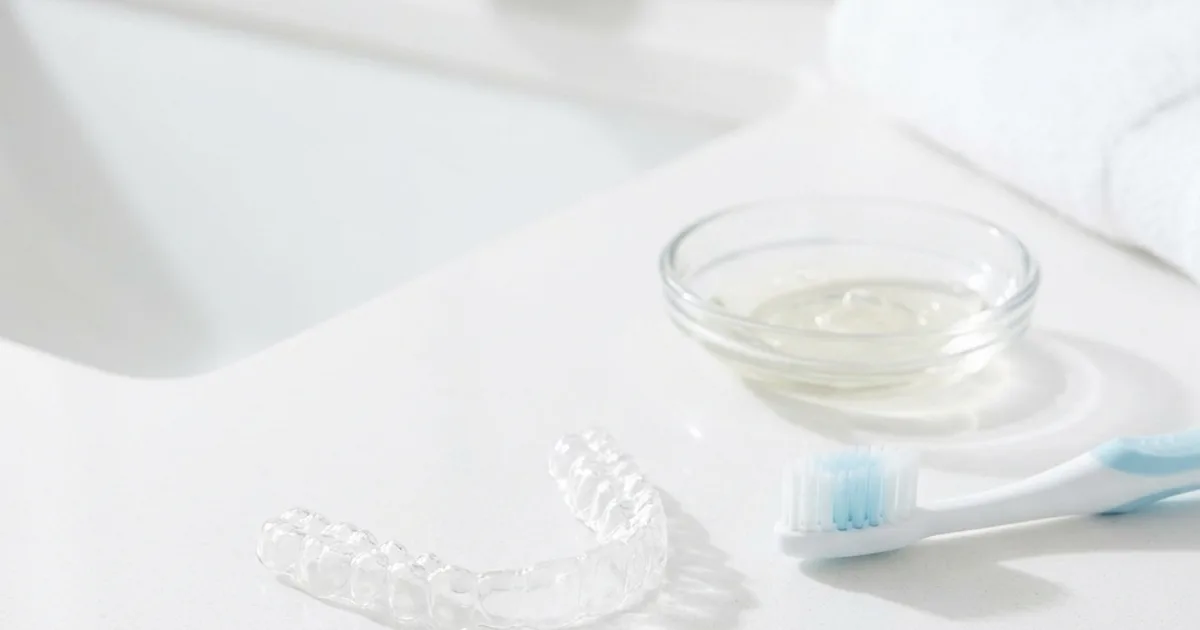
Congratulations—you’ve completed your braces or Invisalign treatment! Your teeth are perfectly straight, and now your dentist has passed you a retainer. But they won't have given you a complete guide on exactly how to smooth it out.
Wearers spend internal hours in your face every single day. Like your teeth, they collect plaque, microbes and food debris. If impure, the plaque becomes hard and has a whitish or yellowish surface called tartar. Not the best it looks and smells horrible, but a dirty wearer can argue cavities, gum dysfunction and persistent terrible breath.
In this ultimate manual, we will break down exactly the day-to-day, weekly, and deep-cleaning exercises for each type of retainer, and most importantly, what you should never do to your retainer.
Why Cleaning Your Retainer is Critical
There are over seven hundred distinct bacterial lineages in the human mouth. When you wear a retainer, especially on a day, it acts as a bacterial trap towards your teeth and gums. Here’s what happens if you neglect to cleanse.
- Bacterial film formation: A sticky film of bacteria coats plastic or acrylic.
- Calculus Formation: Minerals up to your saliva combine with the plaque to form a hard crust (calculus/tartar) that cannot be ignored.
- Bad Breath (Halitosis): An odor-causing microorganism rapidly multiplies on the porous surfaces of a dirt holder.
- Tooth Decay & Gum Disease: Wearing microbe-laden appliances in opposition to their enamel for up to eight hours overnight substantially increases the risk of cavity gingivitis.
The Daily Cleaning Routine
Daily retainer cleaning calls for rinsing underneath cold water, slight morning brushing with mild dish soap, and ensuring it is absolutely air-dry before the garage
1. Rinse without delay upon removal
Each time you take your retainer from your mouth, rinse right now below cool (not warm) running water. This washes away saliva and food particles earlier than they come to be a chance of dryness and hardness.2. Morning scrub (dish soap) .
Brush your retainer gently with a soft-bristled toothbrush and a small drop of medium unscented dish soap (like actual Dawn) Dishwashing soap is first magnificence because it cuts through bacterial movie with out abrasion. Rinse very well until the water runs clean.3. Never get grimy and dry
If you're taking out your holder and permit the saliva to dry on it, the minerals in your saliva emerge as calcium. Always wash it before storing it in its case.4. The air is absolutely dry
Bacteria thrive in dark, humid environments. Before ultimate the lid on your retainer case, make certain the holder is absolutely dry, or go away the case slightly open to allow for ventilation.The Weekly Deep Clean
Simply brushing will not kill all microorganisms or remove fine deposits. Your wearer needs a deep soaking once or twice a week.
Method 1: Retainer cleaning agents (encouraged)
Effervescent cleaners like Retainer Brite, Polident, or Efferdent are specifically designed to kill 90-nine.9% of odor-causing microorganisms and remove soft stain patches- Drop a tablet into a cup of water of the right temperature (no longer hot).
- Put your holder inside the answer.
- Soak for 15–20 minutes (or in stages with package deal orders).
- Rinse thoroughly to remove free dirt and drain lightly.
Method 2: Soak in vinegar (for Calculus Buildup)
If you see white spots or a cloudy film on your holder that could not be removed, this counts. White vinegar is a medium acid that dissolves in it just right.- Mix the same ingredients distilled white vinegar and cold water in a cup.
- Submerge your retainer for 20–and a half hours.
- Remove the retainer and brush gently with a handy toothbrush to smooth the unbound math.
- Rinse very very well to eliminate vinegar taste.
Note: Now do not soak plastic Essix retainers in vinegar every day, as the acidity can slowly degrade the plastic over months. Just stick around for a week to reset the math.
What NOT to Do (How to Destroy Your Retainer)
Retainers are steeply-priced for substitute (about $a hundred and fifty to $3 hundred in line with arch). Avoid the ones common errors that could completely destroy your device:
- 🚫 Hot or warm water: Retainers are fabricated from thermoplastics. Hot water will right now melt, warp and deform the appearance. Once again, it'll in no way heal your tooth.
- 🚫 Toothpaste: Standard toothpaste incorporates silica and numerous abrasives that are designed to focus on difficult tooth enamel. When applied to smooth plastic or acrylic, it can create tens of millions of microscopic scratches. These scratches cloud the retainer appearance and create ideal hiding locations for the microorganism.
- 🚫 Alcohol mouthwash: Listerine and different alcohol-based mouthwashes dry out plastic, causing it to crack through the years. They will even wash colourful shadows proper out of the acrylic at the Hawley retainer.
- 🚫 Bleach or harsh chemical substances: Bleach is toxic and may degrade plastic and metal cord components, inflicting premature corrosion and snapping.
- 🚫 The Dishwasher: The excessive warmness of a dishwasher blended with harsh alkaline detergent will absolutely ruin down any toothpick.
- 🚫 Leaving It in a Napkin: This isn't always a cleansing mistake, but the number one type is misplacing retainers. Never wrap your retainer in a tissue at a restaurant—it's going to emerge like the interior of a trash can.
Cleaning Instructions by Retainer Type
Different holders barely need specific care. Select your retainer type below for exact orders.
1. Asics (clear plastic) retainer
These look similar to Invisalign aligners. They’re thin, totally clear, and wrap around your entire dental arch.- Vulnerability: Very susceptible to heat deformation, cracking and scratching under pressure.
- Best Cleaning Method: Liquid dish soap and a soft-bristled brush. Easy to deep with non-stain-bearing tablets (keep away from paints and medicines that can tint clear plastic).
- Warning: They are invisible while in the water. Don’t accidentally drink them or throw them out!
2. Hawley (wire and acrylic) retainer
The traditional holder. It features a hard, molded acrylic piece that sits against the roof or floor of your mouth, with a metal thread running across the front of your tooth- Disadvantages: Acrylic is full of pores and absorbs odors effortlessly. Steel rope, if left uncovered, can suffer corrosion from harsh chemical compounds.
- Best Cleaning Method: Gently brush the acrylic plate and use twine dish cleaning soap. You can thoroughly soak them in baking soda answers (2 tablespoons of baking soda + 1 cup of hot water) to neutralize strong odors.
- Warning: Be gentle when brushing around the ropes. Bend the twine and the fit of the wearer will be in order and may accidentally shift your enamel.
3. bonded (permanent) holder
A thin braided twine completely glued to the lower back (lingual side) of your inferior (and now upper) front teeth.- Vulnerability: You can't remove it, which makes it an absolute magnet for creating math. It is the hardest retainer to smooth out.
- Best cleaning technique: Every night time needs to floss between teeth and under the cord. Use a floss threader or SuperFloss to thread the floss under the wire, then scrape up and down the edges of the teeth.
- Warning: Water flossers are unreliable for flushing out food, but they do not replace wire floss. You should use mechanical abrasive (string floss) to physically scrape the sticky tape from the string. Also, you should see a dental hygienist every 6 months to have the math professionally thrown off the twine.
Frequently Asked Questions
How often should you clean your retainer? Rinse after every removal (multiple times daily). Brush with a soft toothbrush and mild soap once daily — ideally every morning when you take it out. Deep clean with a retainer tablet soak 1–2 times per week. Retainers accumulate oral bacteria, food particles, and calculus the same way teeth do.
Can you use toothpaste to clean a retainer? No. Standard toothpaste contains abrasives (silica particles) that scratch the surface of clear plastic holders and acrylic hawley holders. These scratches create microscopic mines that bacteria can further colonize without problems. Use a soft toothbrush with mild dish soap (original Dawn works beautifully) or retainer-unique cleaning products.
Can you use mouthwash to clean a retainer? No — not alcohol-based mouthwash. Alcohol dries and can crack plastic retainers over time, shortening their lifespan. Alcohol also bleaches the color from Hawley retainer components. If you want a rinse, use a non-alcoholic mouthwash diluted in water, or a retainer cleaning tablet soak.
How do you remove calculus buildup from a retainer? Soak in 1 part white vinegar to 3 parts cool water for 20–30 minutes — this dissolves mild calculus. For heavier buildup, retainer cleaning tablets with enzymes are very effective. For stubborn calculus, take the retainer to your dentist or orthodontist — they can clean it with an ultrasonic cleaner in minutes.
How long does a retainer last? Hawley retainers last 5–10 years with proper care. Essix/clear plastic retainers last 1–3 years under normal wear — they are thinner and more prone to cracking with heavy bite force. Bonded wire retainers can last 10–20 years but may need re-bonding if sections detach. Grinding your teeth significantly shortens retainer lifespan.
Why does my retainer smell bad even after I brush it? A terrible odor indicates a deep bacterial colonization or math construct-up that can not be performed via brushing. The scent comes from sulfur compounds launched by using bacteria. Soak the retainer in an antibacterial denture/retainer ball for 20 minutes, or use a baking soda-water soak to neutralize the acidic environment.