Getting Braces at Any Age: Kids, Teens, and Adults (2026 Guide)

Quick Answer
There is no upper age limit for orthodontic treatment. Adults represent a growing share of braces patients and achieve results comparable to teen treatment. Adult bone is denser, which slows tooth movement slightly. The main practical difference is insurance — most employer dental plans cut off dependent orthodontic coverage at age 19.
Part of our Braces at Any Age Master Guide.
You stroll into the orthodontist's waiting room, look around, and prepare yourself to see mostly teenagers. Instead, you see a 7-year-old coloring a book and a 45-year-old day trader reading a spreadsheet. You start to wonder: "Am I too old to get braces?" or "When is my child actually old enough to start this process?"
The short answer is: No, you are never too old. However, orthodontic treatment does not work exactly the same way at every stage of life, and waiting too long can lead to costly complications or insurance age walls.
In this guide, we break down the biology of teeth movement at different ages, explain the insurance age traps no one warns you about, and show you how to choose the right treatment path for your life stage.
The Age 7 Window: Phase 1 Interceptive Treatment
The American Association of Orthodontists recommends a first evaluation at age 7 while jaw bones are still growing. Phase 1 interceptive treatment uses appliances like palatal expanders to guide skeletal jaw growth.
The American Association of Orthodontists (AAO) recommends children get their first orthodontic evaluation around age 7. Many parents assume this is too early because kids still have baby teeth. But here is the biological reason behind this window:
1. Bone Guidance
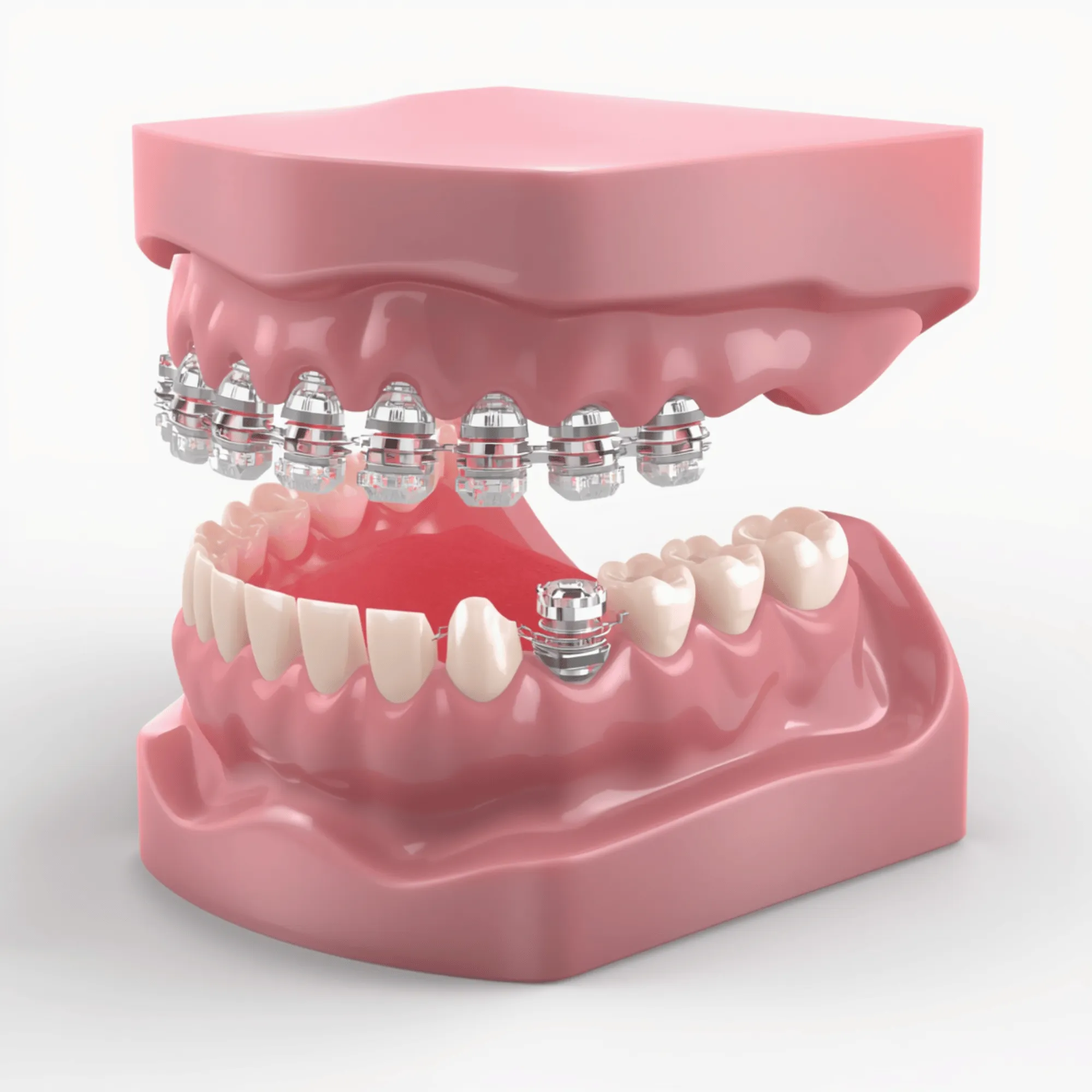
At age 7, the jaw bones are still soft and growing. If the orthodontist identifies a severe underbite, crossbite, or narrow arch, they can use appliances like a **palate expander** to physically widen the growing jaw.
2. Phase 1 vs. Phase 2
Correcting jaw structural issues early (Phase 1) creates room for permanent teeth to erupt naturally. If you wait until age 12 when jaw bones fuse, correcting a narrow arch may require extracting healthy teeth or complex jaw surgery (Phase 2).
Signs to Watch For
Once your 7-year-old's first permanent molars erupt, it's time for an initial screening. Most children will not need braces immediately, but early diagnostic screening helps prevent severe alignment problems down the road.
Adult Bone Density: How Adult Teeth Movement Differs
Adult bone density slows tooth movement by 4 to 6 months compared to teenage treatment. Midpalatal sutures are fused in adults, requiring non-surgical alignment solutions or clear aligner therapy.
Can you get braces at 30, 40, or 50? Absolutely. Healthy teeth can be moved at any age. However, adults face structural and biological differences that teenagers do not:
- Fused Jaw Sutures: In children, the midpalatal suture (the center line of the palate) is open and flexible. In adults, this bone structure is completely fused, meaning we cannot widen the skeletal jaw without surgical intervention.
- Slower Bone Remodeling: Teenagers undergo rapid bone remodeling, meaning their teeth move faster and the bone surrounding the roots heals quickly. In adults, bone remodeling is slower, meaning adult treatment typically takes 4 to 6 months longer than teen treatment for a comparable case.
- Higher Relapse Rates: Because adult bone remodels slower, adult teeth are more prone to drifting back to their original positions (relapsing) after treatment. Adult patients must commit to wearing retainers long-term to protect their results.

The Periodontal Rule
Before an adult can get braces, any active gum disease or periodontal issues must be fully treated and cured. Moving teeth while active gum inflammation is present can damage the surrounding bone support and cause teeth to loosen.
The "Age-Out" Insurance Trap: Employer Benefit Caps
Employer dental insurance plans typically cut off dependent orthodontic coverage on a child's 19th birthday. Starting treatment near age 18 creates risk of losing benefit payouts mid-treatment.
If you plan to use your employer's dental insurance to cover your child's braces, you must pay close attention to the dependent age limits:
The Age 19 Wall
The majority of employer dental plans (such as Delta Dental, Aetna, or MetLife PPO plans) restrict orthodontic coverage to dependents under the age of 19. The day they turn 19, the insurance coverage ends.
Watch out for the Waiting Period Pitfall:
If your plan has a 12-month waiting period for orthodontic care, and your child is 18 when you enroll, they will turn 19 before the waiting period ends. The insurer will deny the claim because they have "aged out" of coverage, even if you initiated the process when they were 18.
Summary Checklist: Getting Started
Getting braces at any age requires verifying gum health, confirming insurance age limits, and evaluating skeletal growth. Kids benefit from early age 7 evaluations while adults achieve lifelong results.
- For Kids: Schedule an initial evaluation by age 7 to check if Phase 1 interceptive treatment is needed.
- For Adults: Visit a dentist to ensure gums and bone support are healthy before scheduling an ortho consultation.
- For Insurance: Verify the orthodontic age limit (often age 19) and check if waiting periods apply.
Ready to plan your orthodontic journey? Read our Braces Food Checker to check which foods are safe to eat, or estimate your treatment time using our Timeline Estimator Tool.