Does Blue Cross Blue Shield Cover Braces? Plan Payouts & Loopholes (2026 Guide)
Quick Answer
BCBS is a federation of 36 independent state insurers — coverage varies significantly by state plan. Most PPO plans cover 50% of orthodontic costs up to a $1,000–$2,000 lifetime maximum. Age limits, waiting periods, and Invisalign eligibility differ by state. Always verify coverage with your specific state's BCBS plan directly.
Part of our Braces Cost & Insurance Master Guide.
You are standing at the dentist counter, holding a glossy treatment plan for $5,800. You hand in your insurance policy with that familiar blue protection image, hoping this covers the loss. You may begin to wonder: "What about Blue Cross Blue Shield cowl braces?" or "Is my plan going to pay for my character braces?"
The short solution is: Yes, Blue Cross Blue Shield does call braces. But—and this is a big pitfall—BCBS is not an unmarried coverage organization. How much they pay, whether they cover adults, and if they will pay for Invisalign depends entirely on a unique system of state divisions that catches most patients completely off guard.
In this guide, we are going to breakdown the exact science of Blue Cross Blue Shield’s orthodontic coverage. We’ll expose the state-by-state policy differences, the hidden lifetime caps, and the out-of-state insurance traps that no other blog warns you about.
The BCBS Federation Rule (Why Your State Changes Everything)
Unlike nationwide coverage giants like Aetna or Cigna that have uniform regulations throughout the U.S., Blue Cross Blue Shield is an affiliation of 33 nonpartisan, regionally operated organizations.
It is that this approach that treats "Florida Blue" (BCBS of Florida) quite otherwise than "Horizon Blue Cross Blue Shield" (BCBS of New Jersey) or "Empire Blue Cross Blue Shield" (BCBS of New York).
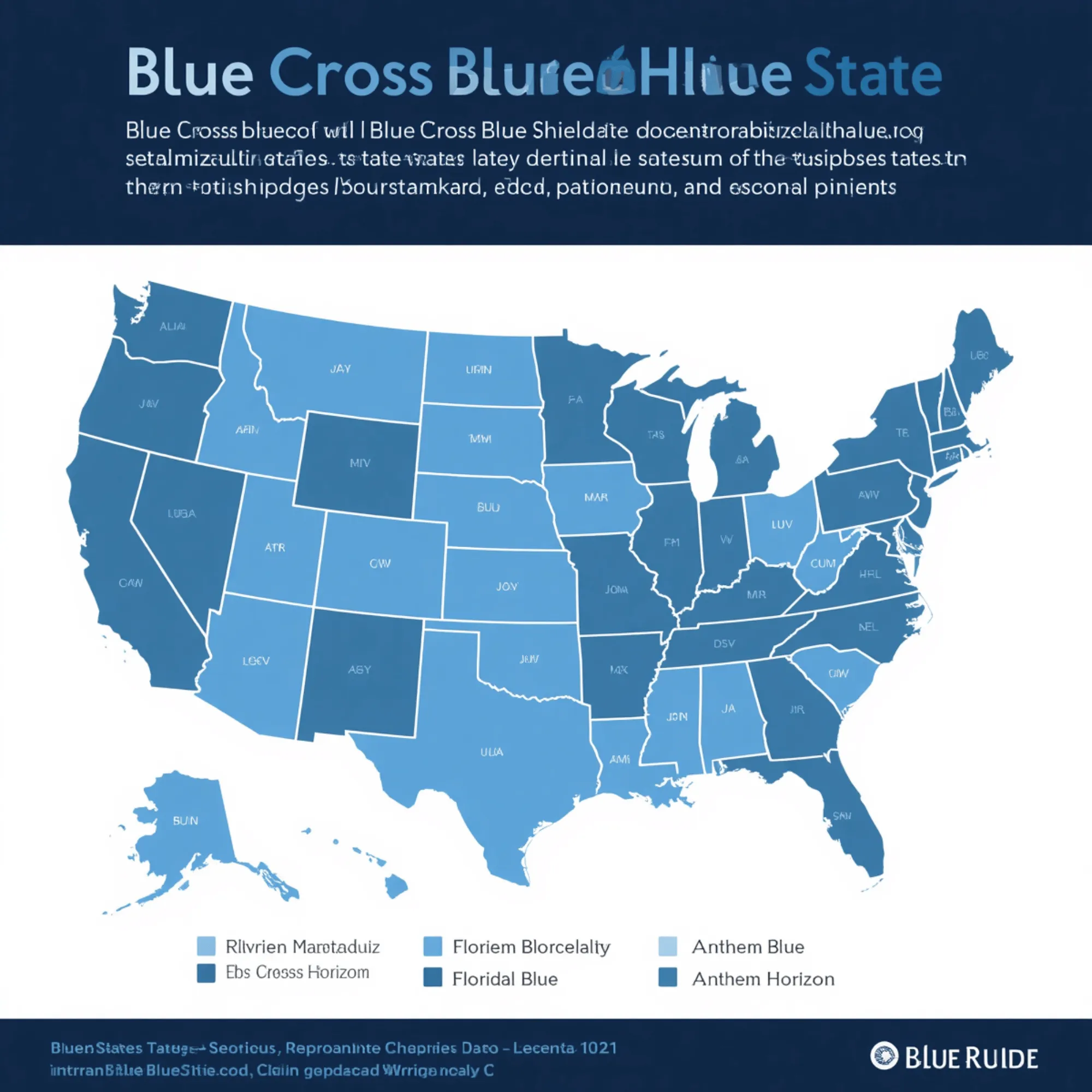
- The Local Policy Trap: A premium "Preferred PPO" plan in Florida might cover adult braces at 50% with no age limits. That exact same plan tier under a BCBS division in Texas might have a strict "under 19" age wall that excludes adult braces entirely.
- The Employer Factor: Your employer negotiates the specific contract. Even if your neighbor has Horizon BCBS and got their braces covered, your company might have opted out of orthodontic coverage to save on premiums.
Look at your card: Before you call, look at the three-character prefix before your member ID number on your card. This prefix is the "home code" that tells the clinic billing coordinator exactly which of the 33 independent companies owns your contract and dictates your rules.
BCBS PPO vs. Dental Grid (How the Payments are structured)
BCBS offers two essential types of dental systems when it comes to dental blessings:
1. Blue Cross Blue Shield PPO (Preferred Provider Organization)
This maximum is not an uncommon PPO setup. However, it also gives you the freedom to choose any dentist to save the most cash while staying within the community.
- Specific Coverage: Standard PPO plans pay 50% of dental fees, as the maximum during your lifetime.
- "Network Discount" Loophole: BCBS orthodontists within the community comply with a pre-negotiated price (the "allowable amount"). If the nearest dentist costs $6,000 for braces, yet the allowable amount within the BCBS community is $4,800, your 50% insurance is calculated from $4,800. This saves you $1,200 earlier that the coverage business enterprise contributes one more dollar.
2. BlueCare Dental (DHMO / Managed Care)
This is an HMO. You can select a number one care dentist who will refer you to an in-network dentist.
- Copayment Structure: Instead of a percentage, you pay a flat copay (usually $1,800 to $2,600 for kids, and slightly higher for adults) for the complete treatment.
- No Lifetime Max: The flat copay is your only obligation. If the braces take 3 years instead of 2, you do not pay a single dollar extra. The catch is the very limited selection of participating orthodontists.
The "BlueCard" Program Trap (Out-of-State Billing)
This is a major issue that most blogs don’t know exists, but it ruins orthodontic budgets every year:
Many humans work for large nationwide employers that have company headquarters in one nation (e.g., Illinois), yet they live and work in some other nation (e.g., California) Your coverage card says "Blue Cross Blue Shield of Illinois," yet your local orthodontist in California documents claims through the local "Blue Shield of California" network under the BlueCard Program.
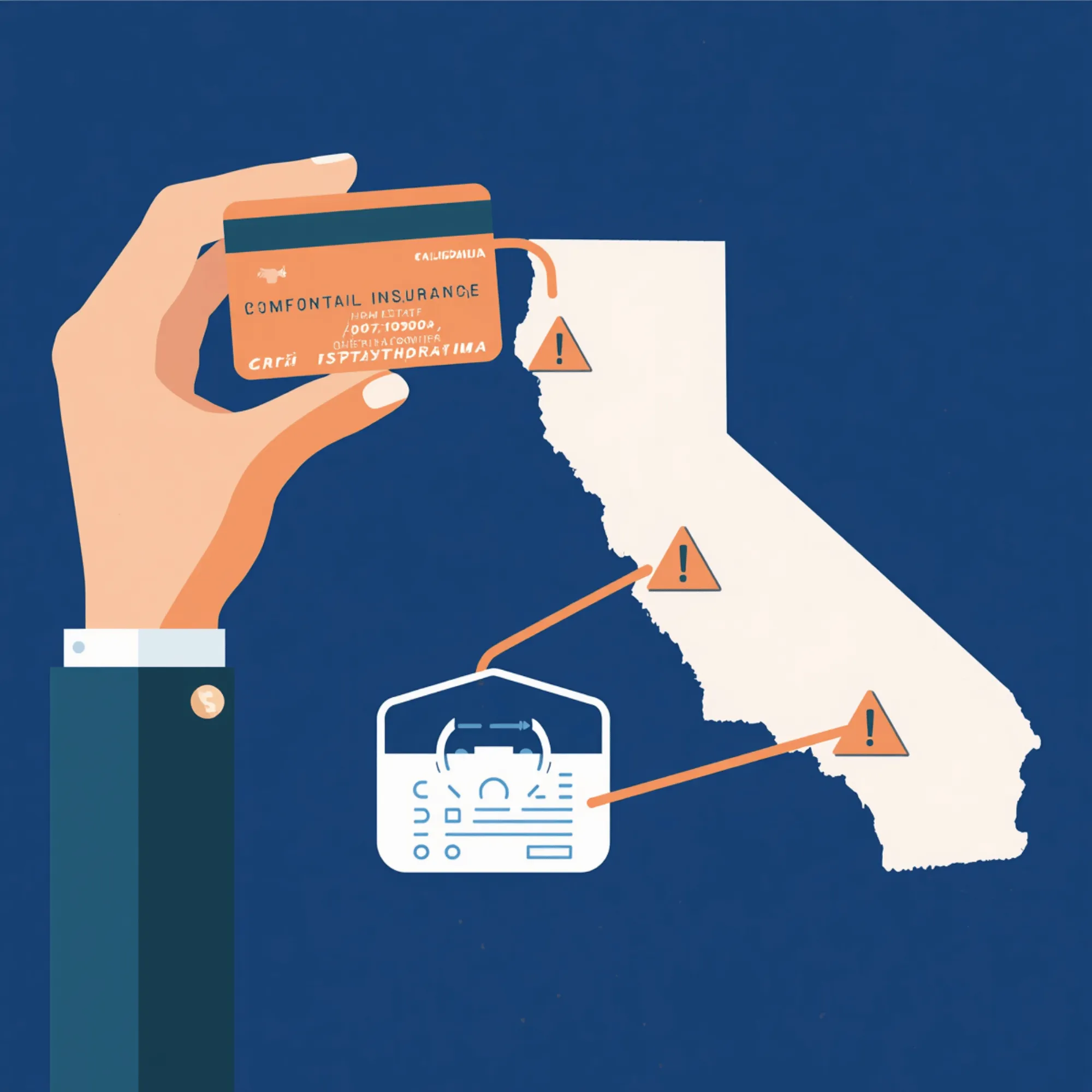
Here’s how greed plays out:
- Benefit Mismatch: California orthodontists will check benefits using their local portal. They might tell you: "Good news, your plan pays $2,500 for braces."
- The Denied Claim: Because your home plan is actually in Illinois, the Illinois policies determine the final payout. If Illinois has a 12-month waiting period that the California portal didn’t highlight, your claim will be denied months after your braces are already on.
- The Out-of-Pocket Shock: The orthodontist's billing department will hold you personally responsible for the unpaid balance.
How to avoid the BlueCard Trap: If you are using an out-of-state BCBS plan, never rely on the local orthodontist's portal check. Call the "Out-of-State Member Services" number on the back of your card and request a written benefit verification specifically sent from your home state plan.
The Lifetime Orthodontic Maximum: The Hard Cap
Just like other major dental plans, BCBS PPO plans carry a Lifetime Orthodontic Maximum (LOM). This is a one-time lifetime cap per member. Once you exhaust this restriction, BCBS will in no way pay any other dollars towards your braces or retainers.
- The Range: Most BCBS plans set this restriction between $1,000 and $2,000.
- Calculation: If your braces cost $5,500 and your plan writes "50% orthodontic insurance" with a $1,500 lifetime maximum, BCBS will not pay the $2,750 (50%). They will miss a proper payment at $1,500. You are left to cover the last $4,000 out of pocket.
Real-World BCBS PPO Payment Structure:
The table below outlines key comparison data and practical guidelines for does blue cross blue shield cover braces?.
| Line Item | In-Network Rate | Out-of-Network Rate |
|---|---|---|
| Orthodontist Base Fee | $5,800 | $6,200 |
| BCBS Allowed Amount | $4,600 | $6,200 |
| Coverage Rate | 50% | 50% |
| Calculated Payout | $2,300 | $3,100 |
| Lifetime Max Cap | $1,500 | $1,500 |
| BCBS Pays | $1,500 | $1,500 |
| Your Out-of-Pocket Cost | $3,100 | $4,700 |
Note: Data reflects typical clinical guidelines and average provider estimates across standard treatment plans.
While in the community, you gather the stability of $1,600 out of your pocket due to the pre-negotiated allowed extent deal, despite the fact that the coverage commercial enterprise corporation paid the precise equal price of $1,500!
Does BCBS cowl Invisalign and Clear Aligners?
Yes, BCBS PPO plans usually treat Invisalign in addition to traditional steel braces. They also can pay the same percentage of most orthodontics for your lifetime.
However, maintain those rules in mind:
- No mail-order aligners: BCBS plans nearly universally exclude direct-to-purchaser smooth aligner kits. Your treatment must be through a licensed, on-site dentist or dental hygienist.
- Upcharge Factor: Dentists frequently fee an additional "lab rate" (starting from $500 to $1,200) for Invisalign. BCBS will no longer cover this lab price; It is passed directly to you as a patient out-of-pocket fee.
The "Age-Out" Insurance Wall for Adults
If you are a person over the age of nineteen who wants to get braces, you should search your benefits package for Adult Orthodontic Rider.
Many preferred company-supplied BCBS plans insure dental disease for dependents with a restriction on dependents under 19 years of age. If your adult rider isn’t energetic, your claim can be denied immediately, although the plan’s excessive dental life is the most indexed.
Taking the waiting time:
Many BCBS plans impose a 12-month ready length for dental care. If you join for new coverage, you may not be able to begin energetic treatment for a full year. If your child is 18 when signing up for you, they can jump 19 years before the readiness period expires. BCBS will then deny insurance at some stage during the waiting period due to the fact that the child is "older" than the plan.
Coordination of gain (COB): Dual beam stack
If you and your partner have dental insurance (for example, you have BCBS and your spouse has Delta Dental), you’re probably trying to stack each plan to cowl the entire cost of your child’s braces.
BCBS has very strict Coordination of Benefits (COB) rules:
- Birthday Rule: The scheme of discern whose birthday falls earlier within the calendar yr is as accurate as the first number of coverage. This plan will pay first.
- Maintenance of Benefits (MOB) Clause: Many BCBS plans deliver a MOB clause. This clause states that if the number one insurance (e.g., Delta Dental) pays an amount equal to or in excess of what BCBS could pay as a secondary insurer, BCBS will make contributions $0.
- Uniqueness Clause: Similarly, if your primary plan covers 50% and your secondary BCBS plan covers 50%, then they are not integrated to cowl 100%. The secondary plan will most effectively cover up to its maximum allowable percentage, which is already happy through the primary plan.
Always ask your billing office to run a COB estimate before assuming you will get double payouts.
Your Step-by-Step BCBS Braces Checklist
Before you sign the contract at your orthodontist's office, complete these steps:
- Find your Prefix. Check your BCBS member card and write down the three-letter prefix before your ID number.
- Verify state owners. Call your card's customer support range and ask: "Which country department owns my agreement?"
- Ask adult riders approximately. If you are over 19, ask: "Is adult dental care safe, or is it mandatory for those under 19?"
- Confirm lifetime maximum. Ask: "What is the most lifetime dental modification I have left?"
- Ask about the waiting period. Confirm: "Is there a waiting period for dental services on my account?"
- File a Pre-Treatment Estimate. Ask your orthodontist's billing team to submit a pre-treatment estimate to BCBS to get the exact coverage rates in writing.
Summary
Blue Cross Blue Shield braces are an awesome device for reducing fees, often reducing your out-of-pocket bill by $1,000 to $2,000. But since BCBS is decentralized, you have to do your own study. Knowing the Department of State regulations nearest you, checking adult age limits, and filing pre-treatment estimates are key to preventing surprising dental collection bills.
Remember that if you make a mistake, you are not caught forever. You get to change your color every 4 to 6 weeks in your adjustment. Treat it like a low-risk test!
Ready to plan the rest of your orthodontic journey? Learn more about the costs of your treatment in our Ultimate Guide to Braces Cost & Insurance or check out our guide on Using HSA or FSA for Braces to pay your remaining balance with pre-tax dollars.