Does United Healthcare Cover Braces? Plan Payouts & Loopholes (2026 Guide)

Quick Answer
UHC dental PPO plans typically cover 50% of orthodontic costs up to a lifetime maximum. UHC medical plans do not cover braces — orthodontics is a dental benefit only. Confirm coverage through the UHC dental portal, not the medical portal, and request a Pre-Determination of Benefits (PDOB) before starting treatment.
Part of our Braces Cost & Insurance Master Guide.
You are standing at the dentist counter, holding a glossy treatment plan for $5,800. You hand in your insurance policy with that familiar black and orange logo, hoping this covers the loss. You may begin to wonder: "What about United Healthcare cowl braces?" or "Is my plan going to pay for my character braces?"
The short solution is: Yes, United Healthcare does call braces. But—and this is a big pitfall—UHC is a massive network with hundreds of different plan types. How much they pay, whether they cover adults, and if they will pay for Invisalign depends entirely on a unique system of employer-customized dental blessings that catches most patients completely off guard.
In this guide, we are going to breakdown the exact science of United Healthcare’s orthodontic coverage. We’ll expose the distinct plan differences, the hidden lifetime caps, and the third-party administrator traps that no other blog warns you about.
The UHC Dental Options vs. Medical Trap
One of the first traps you will encounter with United Healthcare is the separation of medical and dental services.
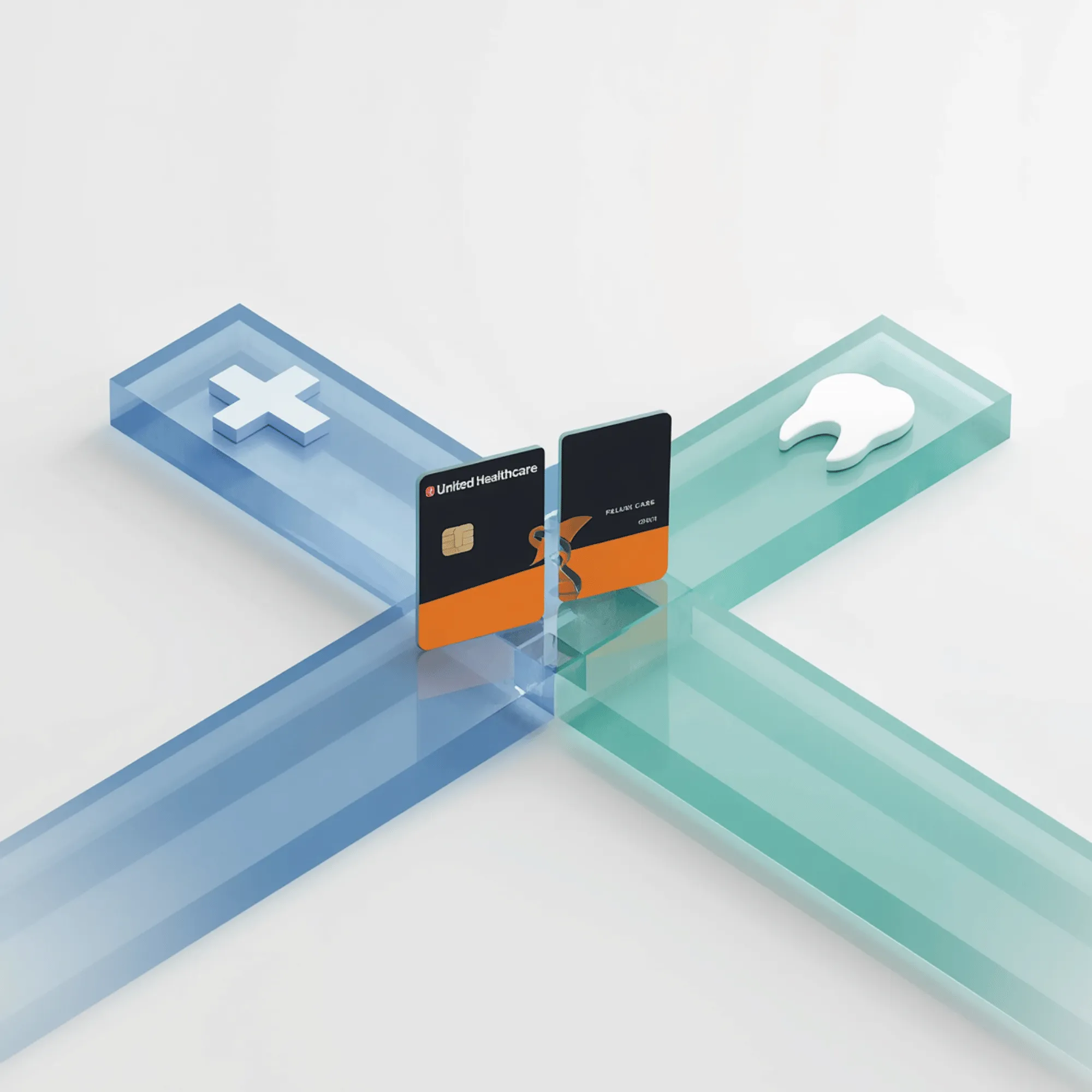
- The Medical/Dental Divide: Many sufferers assume that because they have a premium United Healthcare Choice Plus medical plan, their braces will be covered under "medical necessity." This is almost never the case. UHC Medical will contribute $zero except you have got orthognathic jaw surgical treatment to unique a severe birth defect.
- UHC Dental Subsidiaries: UHC dental advantages are often administered via subsidiaries, which encompass Golden Rule Insurance (for Character Plans) or Dental Benefit Providers (DBP). When your dentist submits the announcement, they need to send it to the unique dental billing cope with at the returned of your card, now not the number one UHC clinical gateway.
UHC PPO vs. In-Network Allowed Tones
UHC offers two essential types of dental systems when it comes to dental blessings:
1. United Healthcare Dental PPO
This maximum is not an uncommon PPO setup. However, it also gives you the freedom to choose any dentist to save the most cash while staying within the community.
- Specific Coverage: Standard PPO plans pay 50% of dental fees, as the maximum during your lifetime.
- "Network Discount" Loophole: UHC orthodontists within the community comply with a pre-negotiated price (the "allowed amount"). If the nearest dentist costs $6,000 for braces, yet the allowable amount within the UHC community is $4,500, your 50% insurance is calculated from $4,500. This saves you $1,500 earlier than the coverage business enterprise contributes one more dollar.
2. UHC Dental Value / DHMO
This is an HMO setup. You must select a primary care dentist who will refer you to an in-network dentist.
- Copayment Structure: Instead of a percentage, you pay a flat copay (usually $1,900 to $2,800 for kids, and slightly higher for adults) for the complete treatment.
- No Lifetime Max: The flat copay is your only obligation. If the braces take 3 years instead of 2, you do not pay a single dollar extra. The catch is the very limited selection of participating orthodontists.
The Pre-Determination of Benefits (PDOB) Protocol
UHC has a particular administrative rule that is lots stricter than different insurance providers: the Pre-Determination of Benefits (PDOB).
While different insurers like Delta Dental treat pre-treatment estimates as an elective "crystal ball," UHC strongly recommends or maybe requires a proper PDOB for any dental provider exceeding $1,500.
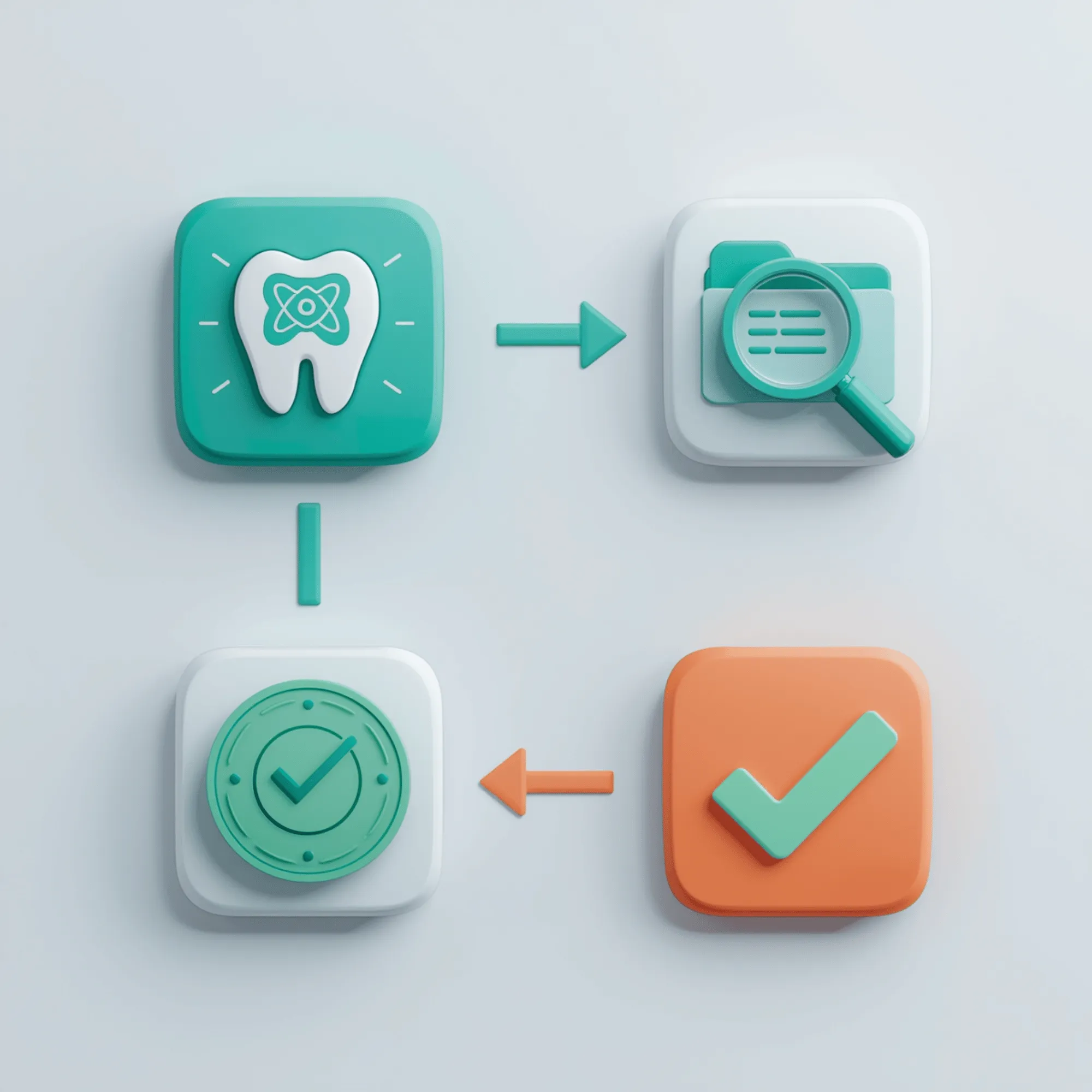
Here is how the protocol works:
- Submission: Your orthodontist submits X-rays, models, and a treatment plan to UHC before starting the treatment.
- Review: UHC’s internal clinical review board checks the files to ensure the treatment meets their criteria of "orthodontic necessity."
- The Danger of Skipping: If you put the braces on before UHC approves the PDOB, they reserve the right to audit the claim retrospectively and deny the coverage entirely, leaving you with a massive out-of-pocket bill.
The Lifetime Orthodontic Maximum: The Hard Cap
Just like other major dental plans, UHC PPO plans carry a Lifetime Orthodontic Maximum (LOM). This is a one-time lifetime cap per member. Once you exhaust this restriction, UHC will in no way pay any other dollars towards your braces or retainers.
- The Range: Most UHC plans set this restriction between $1,000 and $1,500 (slightly lower than some competitors).
- Calculation: If your braces cost $5,500 and your plan writes "50% orthodontic insurance" with a $1,500 lifetime maximum, UHC will not pay the $2,750 (50%). They will miss a proper payment at $1,500. You are left to cover the last $4,000 out of pocket.
Real-World UHC PPO Payment Structure:
The table below outlines key comparison data and practical guidelines for does united healthcare cover braces?.
| Line Item | In-Network Rate | Out-of-Network Rate |
|---|---|---|
| Orthodontist Base Fee | $5,800 | $6,200 |
| UHC Allowed Amount | $4,500 | $6,200 |
| Coverage Rate | 50% | 50% |
| Calculated Payout | $2,250 | $3,100 |
| Lifetime Max Cap | $1,500 | $1,500 |
| UHC Pays | $1,500 | $1,500 |
| Your Out-of-Pocket Cost | $3,000 | $4,700 |
Note: Data reflects typical clinical guidelines and average provider estimates across standard treatment plans.
While in the community, you gather the stability of $1,500 out of your pocket due to the pre-negotiated allowed extent deal, despite the fact that the coverage commercial enterprise corporation paid the precise equal price of $1,500!
Does UHC cowl Invisalign and Clear Aligners?
Yes, UHC PPO plans usually treat Invisalign in addition to traditional steel braces. They also can pay the same percentage of most orthodontics for your lifetime.
However, maintain those rules in mind:
- No mail-order aligners: UHC plans nearly universally exclude direct-to-purchaser smooth aligner kits. Your treatment must be through a licensed, on-site dentist or dental hygienist.
- Upcharge Factor: Dentists frequently fee an additional "lab rate" (starting from $500 to $1,200) for Invisalign. UHC will no longer cover this lab price; It is passed directly to you as a patient out-of-pocket fee.
The "Age-Out" Insurance Wall for Adults
If you are a person over the age of nineteen who wants to get braces, you should search your benefits package for Adult Orthodontic Rider.
Many preferred company-supplied UHC plans insure dental disease for dependents with a restriction on dependents under 19 years of age. If your adult rider isn’t energetic, your claim can be denied immediately, although the plan’s excessive dental life is the most indexed.
Taking the waiting time:
Many UHC plans impose a 12-month ready length for dental care. If you join for new coverage, you may not be able to begin energetic treatment for a full year. If your child is 18 when signing up for you, they can jump 19 years before the readiness period expires. UHC will then deny insurance at some stage during the waiting period due to the fact that the child is "older" than the plan.
Coordination of gain (COB): Dual beam stack
If you and your partner have dental insurance (for example, you have UHC and your spouse has Delta Dental), you’re probably trying to stack each plan to cowl the entire cost of your child’s braces.
UHC has very strict Coordination of Benefits (COB) rules:

- Birthday Rule: The scheme of discern whose birthday falls earlier within the calendar yr is as accurate as the first number of coverage. This plan will pay first.
- Maintenance of Benefits (MOB) Clause: Many UHC plans deliver a MOB clause. This clause states that if the number one insurance (e.g., Delta Dental) pays an amount equal to or in excess of what UHC could pay as a secondary insurer, UHC will make contributions $zero.
- Uniqueness Clause: Similarly, if your primary plan covers 50% and your secondary UHC plan covers 50%, then they are not integrated to cowl 100%. The secondary plan will most effectively cover up to its maximum allowable percentage, which is already happy through the primary plan.
Always ask your billing office to run a COB estimate before assuming you will get double payouts.
Your Step-by-Step UHC Braces Checklist
Before you sign the contract at your orthodontist's office, complete these steps:
- Check your ID card. Look for the logo "Dental Benefit Providers" or a specific dental claims address.
- Verify state owners. Call your card's customer support range and ask: "Which country department owns my agreement?"
- Ask adult riders approximately. If you are over 19, ask: "Is adult dental care safe, or is it mandatory for those under 19?"
- Confirm lifetime maximum. Ask: "What is the most lifetime dental modification I have left?"
- Ask about the waiting period. Confirm: "Is there a waiting period for dental services on my account?"
- Submit a PDOB. Have your dentist file a Pre-Determination of Benefits before placing the brackets.
Summary
United Healthcare braces are an awesome device for reducing fees, often reducing your out-of-pocket bill by $1,000 to $1,500. But since UHC has strict pre-determination protocols and divided medical/dental platforms, you have to do your own study. Knowing the Department of State regulations nearest you, checking adult age limits, and filing a PDOB are key to preventing surprising dental collection bills.
Remember that if you make a mistake, you are not caught forever. You get to change your color every 4 to 6 weeks in your adjustment. Treat it like a low-risk test!
Ready to plan the rest of your orthodontic journey? Learn more about the costs of your treatment in our Ultimate Guide to Braces Cost & Insurance or check out our guide on Using HSA or FSA for Braces to pay your remaining balance with pre-tax dollars.