Does Dental Insurance Cover Braces for Adults? (2026 Loopholes & Guide)

Quick Answer
Most employer dental plans cut off orthodontic coverage at age 18 or 19. Plans that do cover adult orthodontics typically pay 50% of costs up to a $1,000–$2,000 lifetime maximum — a small fraction of total treatment cost. PPO plans are far more likely to include adult riders than DHMO plans.
Part of our Braces Cost & Insurance Master Guide.
You decide it is far finally time to fix that crooked surface enamel or near that space that has been keeping you in pictures for years. You schedule a session, strain into a chair, and the dentist gives you a quote: $6,500.
Naturally, your first instinct is to pull out your dental coverage card and consider,"I pay for mine every month, can really cough up a big chew of this."
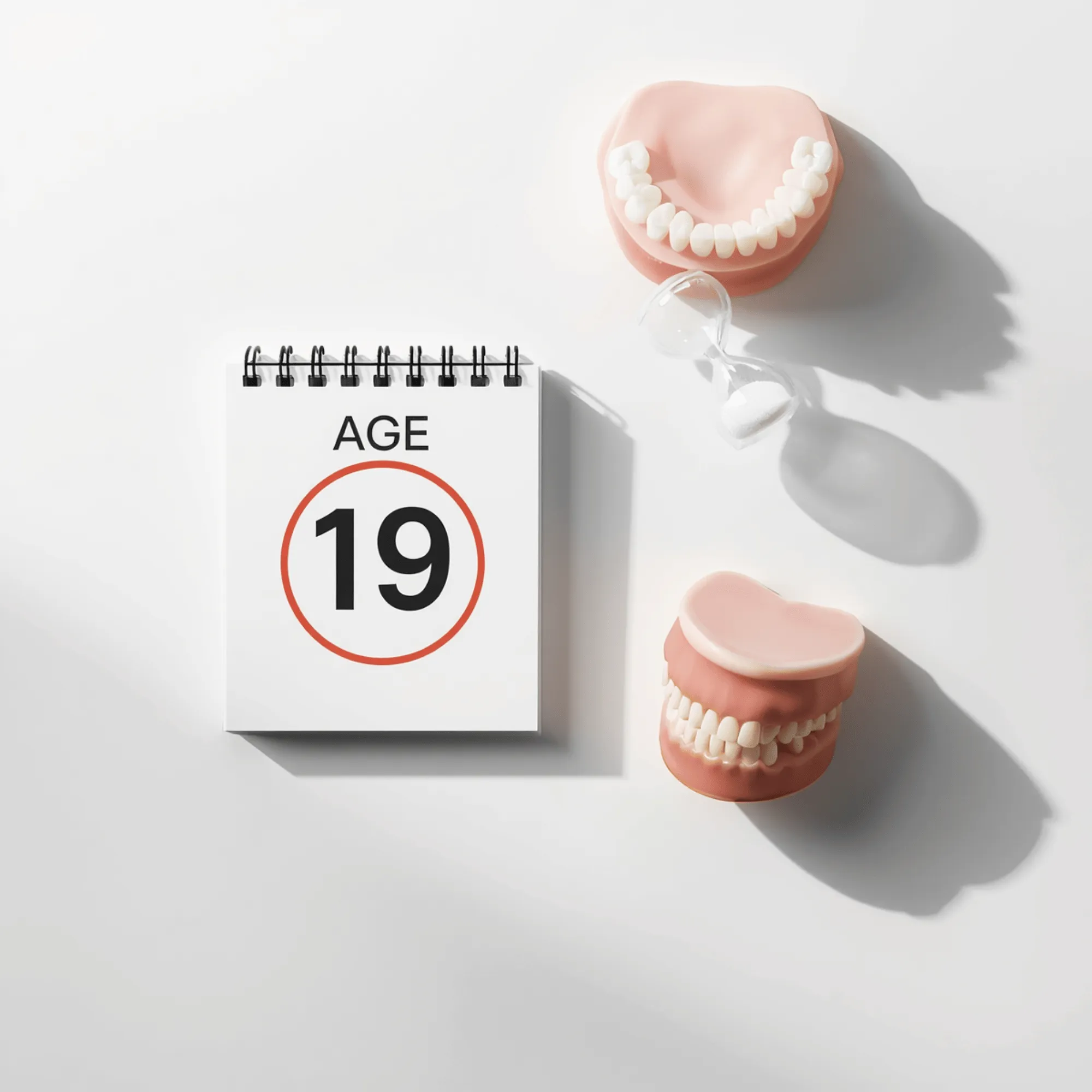
But if you're over 19, you presumably have to hit what we call the Dental-Aligning Age Wall.
The hard truth is that the vast majority of fashionable dental insurance plans cover braces for kids, yet completely exclude adults.If you are over 19, your prevailing PPO plan will in all likelihood pay $0 for braces or Invisalign, except for a way to navigate the equipment.
In this booklet, we dive into the exact mechanics of dental implant coverage for adults. We'll demonstrate you how to be aware if your plan covers adults, the way to execute the "dual insurance" method for stacking benefits, and the exact loopholes you can use to skip the preferred 12-month readiness periods.
1. The "age 19" wall: Why standard plans fail adults
When a business enterprise chooses a dental insurance package deal for their crew of workers, they get to choose which "riders" (more benefits) to have. Almost every company plan opts for established-simplest dental coverage to keep business enterprise fees low.
Look for the "Summary of Benefits" Orthodontia line on your coverage portal. Often you will surely see one thing:
- "Dental services restricted to dependents under the age of 19." (This method gets you 0 insurance as an adult).
- "Dental offerings covered for all individuals." (This is the gold value; it covers adults).
If the age of 19 is a problem on your plan, you can't name it and shop for improvements for yourself. The settlement is determined between your organization and the insurer. Your most effective options are to change plans (if your employer offers more than one option), purchase a character secondary plan, or wait for the open enrollment period to look at alternative funding.
2. PPO vs. DHMO: Different pathways for adults
If you have individual dental insurance, the kind of plan you get will dictate how tons you will pay and which dentist you can go to.

1. Dental PPO (Priority Provider Organization)
PPOs offer the most freedom but come with a hard cap.
- How you can pay: PPO plans typically pay a co-insurance fee of 50%, capped at a lifetime orthodontic maximum (usually $1,500 to $2,500).
- Math: If your remedy costs $6,000 and your LTM is $2,000, the insurance can pay up to 50% of the value ($3,000) their most restricted ($2,000). You will pay $4,000 at closing.
- In-network benefits: If you operate a PPO dentist within the community, they must negotiate and honor fee systems. This method is an uncooked $6,000 treatment possibly discounted by $5,000 before the insurance calculation begins as well, saving you even extra.
2. Dental HMO (Health Maintenance Organization)
DHMOs force you to live within a small grid, but they don’t have lifetime caps.
- How it will pay: Instead of paying 50%, DHMO plans use a fixed co-price program. The settlement will nation the actual fees you have to pay (e.g., "Adult dental co-payment: $3,200").
- Math: No counting number what the dentist's preferred price is, they most effectively bill you the contracted co-pay. The insurance corporation covers the rest directly.
- The Catch: DHMO networks are notoriously small, and too many break dentists refuse to accept DHMO plans because of low reimbursement fees.
3. "Dual Coverage" Stack: How to Use Both Plans
If you're married and each you and your partner have company-subsidized dental plans, you can legally stack every policy to pay for adult braces. This is called Coordination of benefits (COB).

Here’s how you execute this approach to pay out of pocket for nothing afterwards:
- Determine Primary and Secondary: Your personal enterprise plan is your primary insurance. Your partner's plan is your secondary insurance.
- Submit Primary First: Primary insurance may pay its popular 50% value up to its lifetime maximum (e.g., $1,500).
- Submit balance to secondary: The final unpaid balance is then sent to your partner’s insurance.
- "Non-Duplication" Check: Make sure the secondary plan no longer has a "Non-Duplication Clause." If so, the secondary plan will pay best if it has its own benefit limit that is better than what plan number one already pays. If he doesn't yet have this clause, you can stack two for life at most, undoubtedly getting $3,000 to $4,000 in total coverage payments!
Warning: You cannot receive a general coverage payment that exceeds the actual value of the treatment.
4. Hidden loopholes to bypass the 12 month waiting period
If you buy a private, character dental plan on the open market because your organization won't offer one, you'll often face a 12-month readiness period for adult dentistry alone. If you put braces throughout this window, the insurer will pay $0. However, there are 3 loopholes to get around this wait time right here:
Loophole 1: "Group Waiver"
If you join a new corporation and they offer a new dental plan, the waiting period is almost continuously waived. Group plans no longer penalize new employees for waiting periods because the hazard manifests itself across the entire body of workers.
Loophole 2: Evidence of prior creditable coverage
If you bought a character plan and it has a 12-month ready term, you can ask for a waiver if you can prove you obtained proper non-stop dental coverage with another issuer before enrolling. Contact your previous insurer and request a "Certificate of Creditable Coverage." Submit this to your new issuer. If there has been no gap in coverage (generally much less than sixty-three days), they will waive the waiting period.
Loophole 3: Dental Savings Plans (no insurance, no waiting)
If you can’t bypass the ready length, don’t buy preferred coverage. Look for a dental savings plan (like DentalPlans.Com) instead. These are not insurance laws. They are membership-deal networks (like a Costco membership for dental care). There are zero ready gaps and no age limit. You pay the annual price (approximately $150) and receive instant discounts of 20% to 50% on braces from fellow dentists.
5. Summary checklist: How to verify your plan
Before signing a dental treatment settlement, name your insurance issuer and keep them away from getting caught with the bill by checking this exact tick list:
- [ ] "Is there an age restriction for dental benefits on this coverage?" (Must cowl ages 19+).
- [ ] "What is the maximum lifetime dental modification for adults?"
- [ ] "Does this coverage have a ready length for adults to collect their teeth?"
- [ ] "Does this plan have a 'Work in Progress' section?" (Important if you have already turned on braces and are changing the plan).
- [ ] "What is the co-coverage percentage for dental care?" (Confirm if it is 50% or a hard and fast co-payment).
Ready to find out what happens if you don't have coverage? Check our guide on How Much Do Braces Cost Without Insurance? or read about state-funded options like Are Braces Free with Medicaid? to explore alternative paths to your perfect smile!